
A National Push to Protect Mothers and Newborns
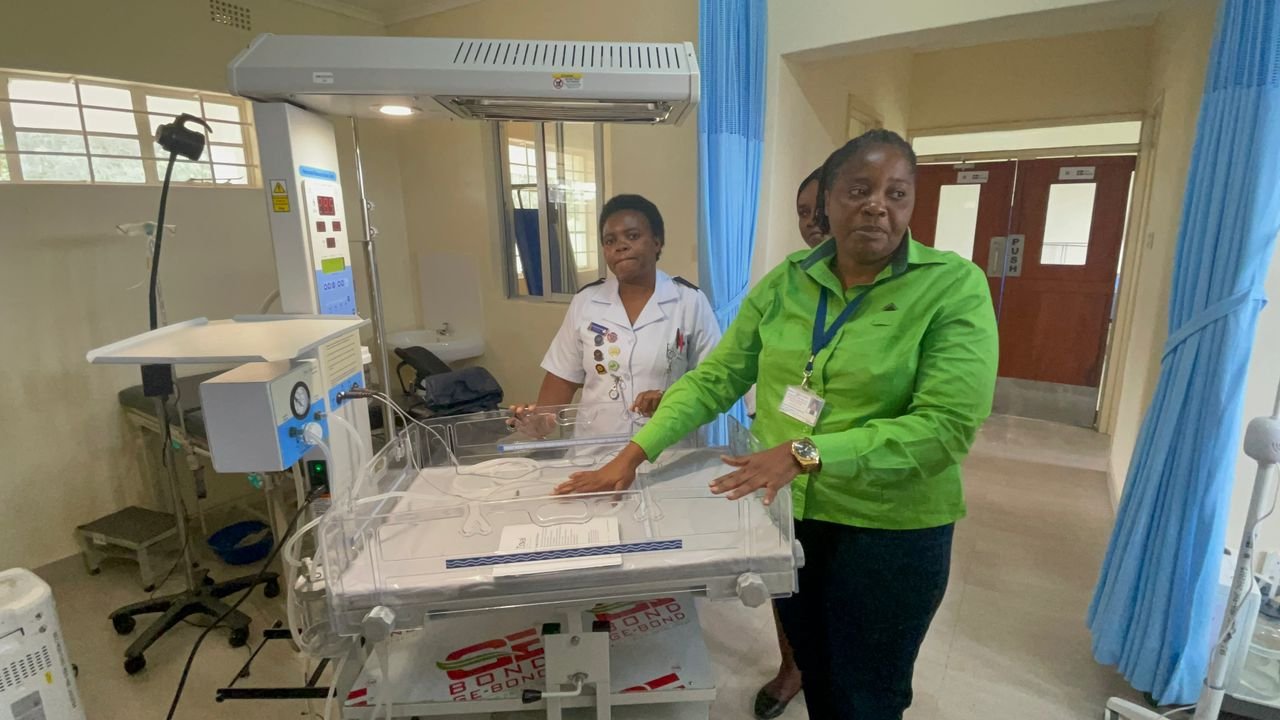
Every pregnancy should end in celebration, not tragedy. Yet globally, hundreds of thousands of women still die each year from complications related to pregnancy and childbirth, and newborns remain acutely vulnerable in their first days of life.
In Zambia, maternal and newborn health has become a defining measure of the country's development progress — and the central question is whether the healthcare system can reach the most remote communities and deliver quality care when it matters most.
Setting the Target
Zambia has committed to reducing maternal mortality to fewer than 70 deaths per 100,000 live births by 2030, in line with the Sustainable Development Goals and the National Health Strategic Plan. Domestically, the target is even more ambitious: bringing the rate down from 278 to 70 per 100,000 by 2026.
The early signs are encouraging. The 2024 Demographic and Health Survey shows maternal mortality has fallen to 195 per 100,000 live births — a nearly 30% improvement. Routine facility data reports an even lower rate of 108 per 100,000 (MOH, 2025), with particularly strong results in Eastern, Central, and Southern provinces.
What's Driving the Progress?
Several factors are behind the improvement: expanded maternity wings, the recruitment of more skilled health workers, a stronger blood supply, and better referral systems.
Under President Hakainde Hichilema's administration, hospitals and clinics have received increased funding, and over 11,000 healthcare workers have been hired. Maternity services have been extended to lower-level facilities, and the national blood collection capacity has more than doubled — from 60,000 to 140,000 units annually — enabling more effective management of obstetric emergencies.
For rural women, waiting shelters have been introduced and expanded, providing a safe place to stay as they approach delivery.
Strategic Partnerships at Work
Government effort alone does not account for the gains. Strategic partnerships have become a critical pillar in accelerating results.
Since 2023, the Government of Sweden, working with the Clinton Health Access Initiative through the Ministry of Health, has supported maternal health interventions in Southern and Eastern provinces. The focus has been practical and people-centred: building maternity annexes, constructing mothers' shelters, and rehabilitating staff housing to keep healthcare workers where they are needed most.
In Choma District, Mbabala Rural Health Centre now handles around seven deliveries per week — nearly 30 per month — serving a catchment population of over 16,000 across eight zones, with some villages up to 16 kilometres away. For mothers in Maubwe and Halumbwa, a functional maternity facility closer to home means lower costs and fewer risks.
In Zimba District, infrastructure improvements at Luyaba Rural Health Centre have spared mothers long journeys during labour and eliminated the need for improvised delivery arrangements.
In Livingstone, the Airport Urban Clinic has served its community since 1963 but previously handled deliveries on an on-call basis, often under unsuitable conditions. After community advocacy, a new maternity annex was built through collaboration between the Government and cooperating partners. In just two months, the facility has recorded six safe deliveries — a modest but meaningful start that signals renewed trust in public health services.
Reinforcing the Continuum of Care
These partner-supported projects complement investments made through the enhanced Constituency Development Fund (CDF). In districts such as Chikankata, Monze, and Zimba, CDF resources are funding the construction of outpatient departments, radiology units, mortuaries, and additional mothers' shelters. Together, these interventions strengthen the full continuum of care — from antenatal visits through safe delivery to postnatal follow-up.
The approach reflects the delivery agenda championed by President Hichilema: aligning national priorities, mobilising domestic resources, attracting strategic partnerships, and tracking implementation through to completion. Infrastructure alone is not enough — systems must function, personnel must be present, and communities must be engaged.
The Presidential Delivery Unit (PDU) has been conducting site visits to validate progress and identify bottlenecks. Where projects are incomplete, the focus shifts to unblocking procurement delays, resolving contractor challenges, and ensuring facilities are handed over without unnecessary hold-ups. The message is clear: public investments must translate into tangible public benefits.
The Road Ahead
Gaps remain. Rural access is still uneven, adolescent pregnancies continue to pose risks, and health systems need sustained staffing and consistent supply chains. But the trajectory is clear: coordinated action produces measurable results.
For the expectant mother in Mbabala, the young couple in Zimba, or the family in Livingstone awaiting their newborn's first cry, progress is not abstract. It is the difference between anxiety and reassurance — the confidence that skilled hands, adequate supplies, and a safe environment will be there when life begins.
Maternal health is more than a health indicator. It reflects how a nation cares for its people. Through strengthened public investment and purposeful partnerships, Zambia is showing that effective delivery is possible — and that when systems work together, lives are saved.