
EVERY ROOFTOP HAS POTENTIAL TO BECOME A POWER STATION
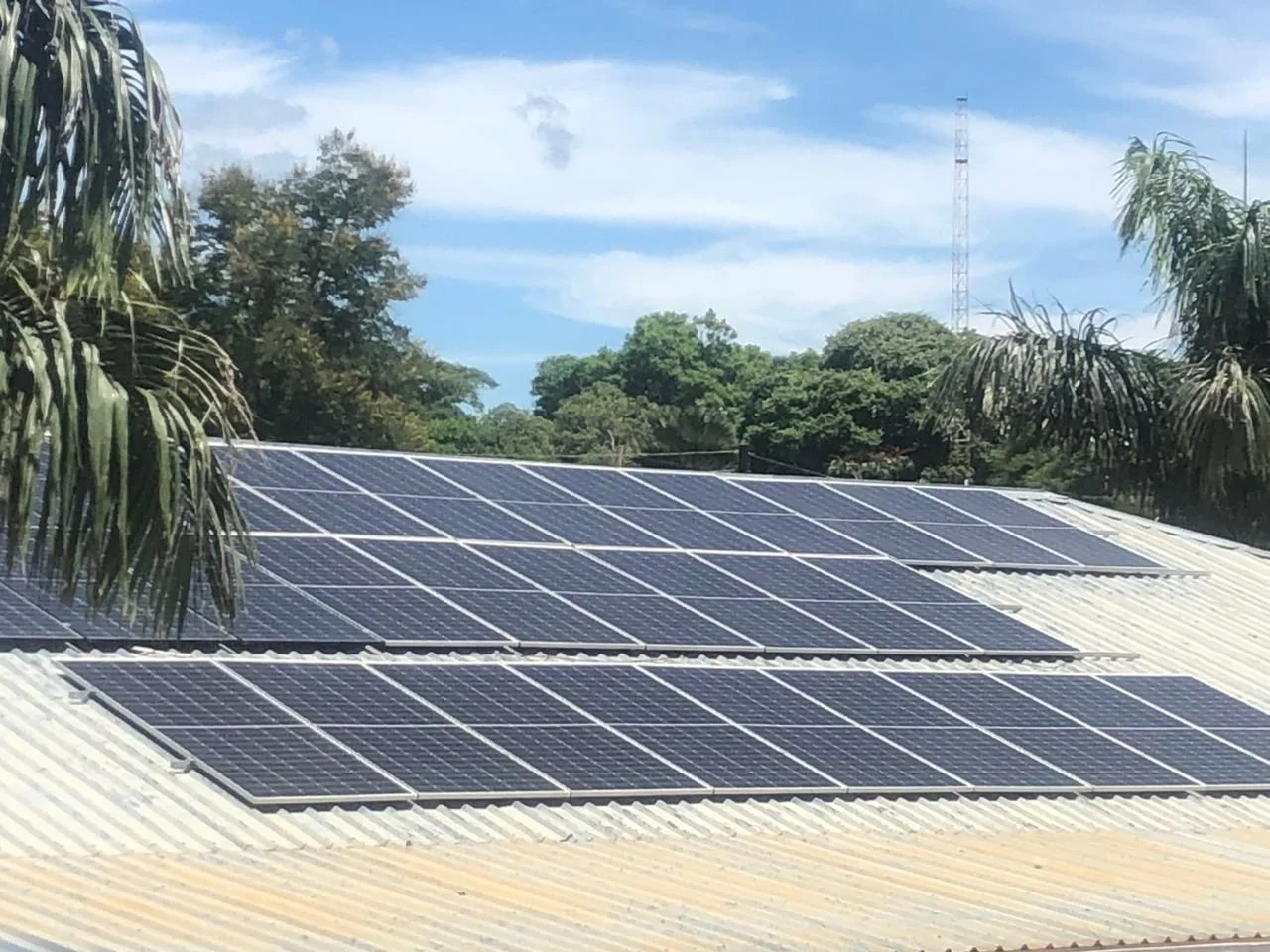
Zambia’s conversation about energy is slowly evolving from focusing on shortages and coping strategies to one of participation, innovation, and shared responsibility. Central to this change is net metering, a practical system that allows electricity consumers to become producers as well. By using renewable energy to power their properties, they can also contribute to the national grid.
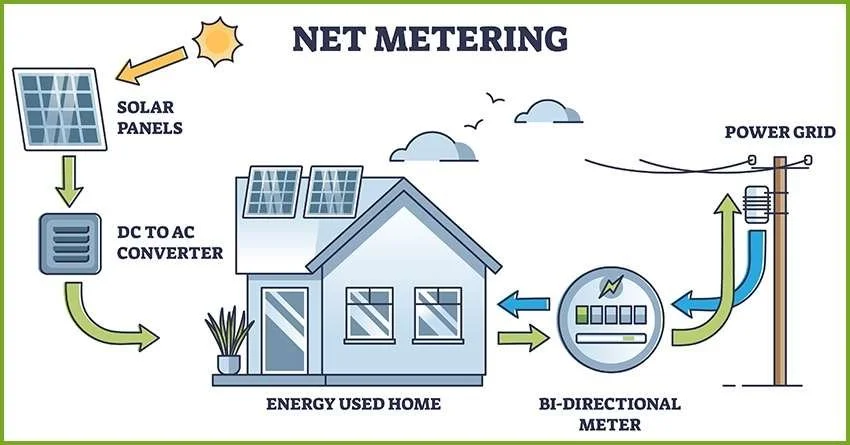
Net metering is a straightforward yet impactful concept. It enables customers with renewable energy systems, particularly solar panels, to generate electricity for their own use and to export any excess power back to the national grid operated by ZESCO Limited. A smart net meter tracks the amount of electricity that flows from the customer to the grid, and the energy exported is credited to the customer’s account in units.
Electricity flows in both directions. When the sun is shining, and a solar system generates more electricity than a household or business requires, the surplus energy is used to support other users on the grid. At night or during cloudy periods, the customer can draw electricity from the grid as needed, using the credits they earned earlier. The system is designed to promote balance, efficiency, and fairness.
A timely incentive for households and businesses
To encourage wider participation, ZESCO is currently offering a promotion that eliminates one of the main entry barriers. Customers can receive the net meter and its installation at no cost. This means customers do not have to pay for the specialised meter required to participate in the programme, significantly lowering their upfront expenses.
For many households and businesses considering solar power, this incentive makes the decision easier. Instead of solar being seen only as a backup during power interruptions, it becomes a long-term investment that actively reduces electricity bills while contributing to the national energy supply.
Lower bills, faster payback, cleaner energy
The benefits of net metering are both personal and national. At the household or business level, customers enjoy lower electricity bills because exported energy earns credits that offset grid consumption. Over time, the savings reduce the payback period for solar installations, making renewable energy more financially appealing.
Net metering also reduces reliance on diesel generators, which are expensive to run and contribute to air pollution. For businesses, farms, and institutions that previously relied on generators during load management or outages, combining solar power with net metering offers a cleaner and quieter alternative.
At a national level, net metering helps Zambia fulfil its clean energy and climate commitments. Solar power generated from rooftops increases the grid’s capacity without requiring large-scale infrastructure investments. Importantly, this power is often produced during peak daytime hours, when demand is high, and the grid faces the most strain.
Who can participate?
Net metering is not limited to a specific group. Any ZESCO customer with an on-grid or grid-tied hybrid inverter capable of exporting electricity to the grid can participate in net metering. This includes households, commercial enterprises, farms, institutions, and industrial users.
Under the current programme, eligible systems range from a minimum capacity of 5 kilowatts (kW) up to 5 megawatts (MW). This wide range means net metering can serve both small residential users and large industrial operations, making it one of the most inclusive energy interventions in the sector.
Nationwide access, simple application
Geography is not a limitation. Net metering can be implemented anywhere in Zambia where ZESCO supply is available, and the customer is already connected to the grid. Applications are submitted online through the ZESCO Net Metering Portal, after which technical assessments are conducted to ensure safety and compatibility. Once approved, the net meter is installed and the system commissioned.
This structured process ensures that customer systems meet required standards while maintaining grid stability. It also provides new entrants with confidence that the programme is well-regulated and professionally managed.
Growing numbers, measurable impact
The results so far show steady progress. To date, 521 prosumers, customers who both produce and consume electricity, have been connected to the grid under the net metering programme. Together, they have installed a total capacity of 15.345 megawatts.
These prosumers have already exported 12,228.4 megawatt-hours of electricity to the grid. In return, total credits paid out to date amount to K3,685,032. These figures demonstrate that net metering is no longer a pilot concept but a functioning system delivering real value to participants and the national grid.
Policy support beyond net metering
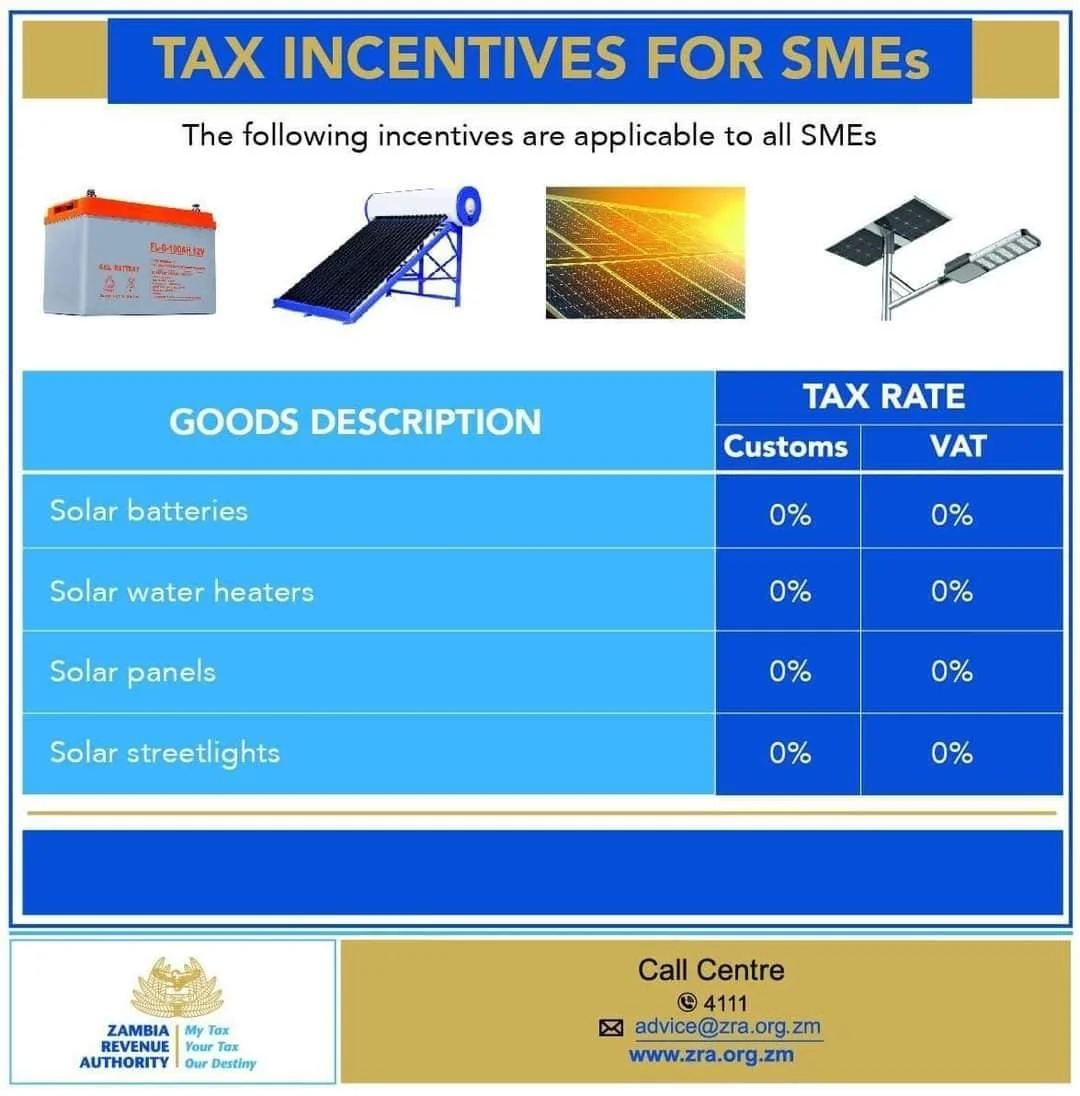
Net metering is supported by broader government measures to accelerate renewable energy adoption. Energy-efficient lighting lamps, discharge lamps, solar batteries, and solar power inverters are all duty-free in Zambia. Eliminating taxes on essential components has greatly reduced solar installations.
This policy clearly indicates that every rooftop can become a small power station. With no tax on essential equipment, households and businesses can invest in clean energy without facing excessive financial burdens.
A shared energy future

Net metering represents a shift in how energy is produced and consumed in Zambia. It moves the country away from a one-directional system, in which power flows only from utility to consumer, to a shared model in which citizens actively support national energy security.
As more rooftops generate power and feed it into the grid, the collective impact increases, supplying more energy during peak hours, reducing emissions, and alleviating stress on public infrastructure. With supportive policies, growing uptake, and practical incentives, net metering is quietly transforming everyday electricity users into partners in Zambia’s energy future.