
UTH Gives Patients a Direct Line to Shape Health Services
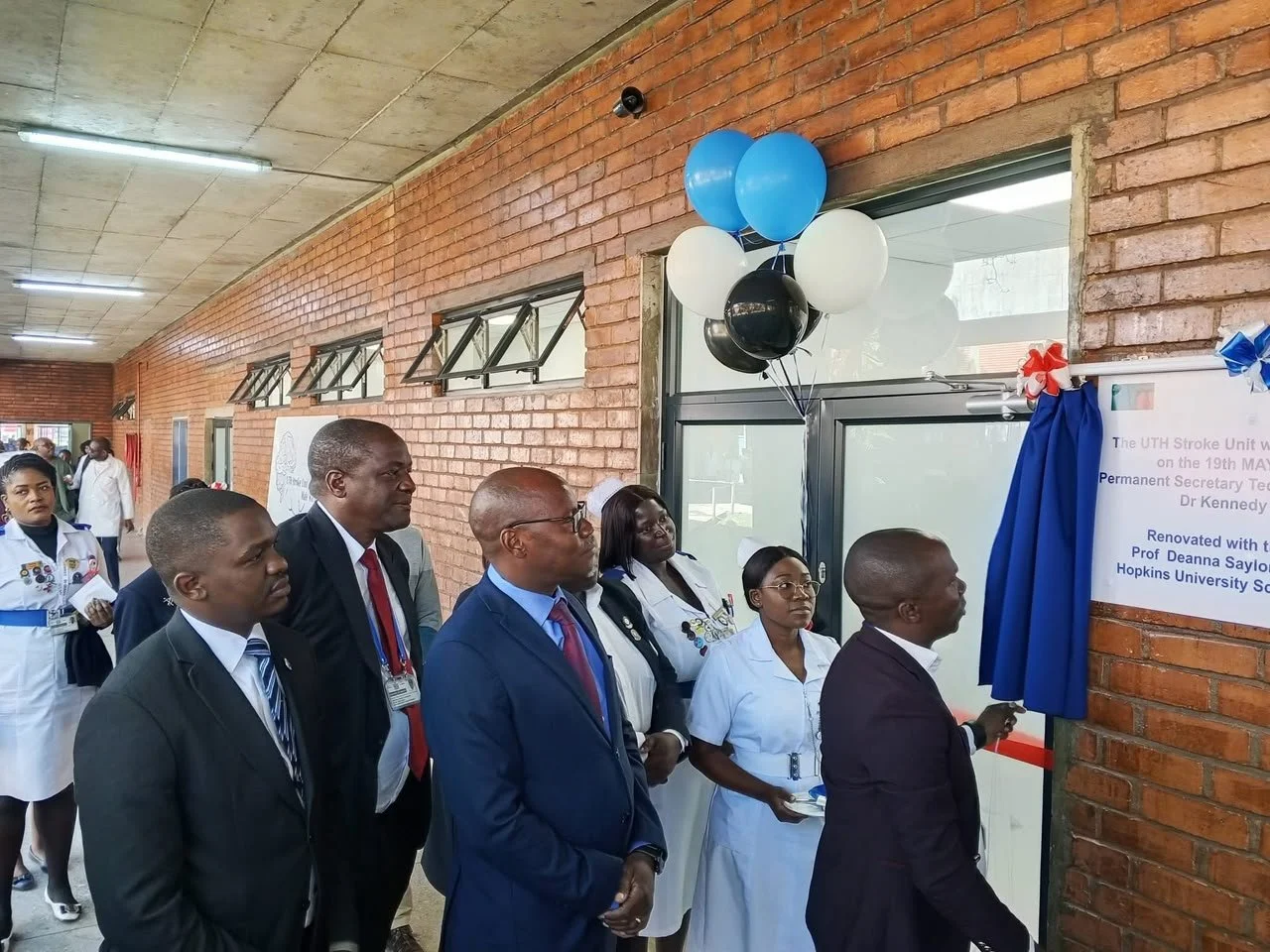
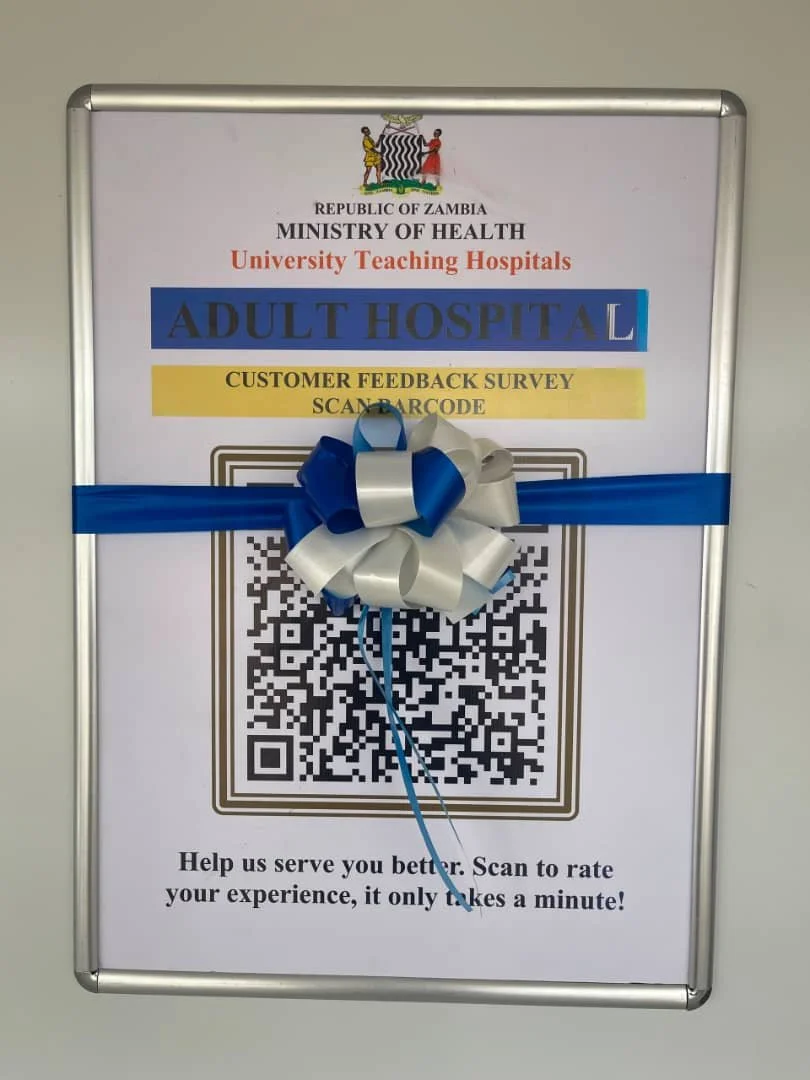
Patients at the University Teaching Hospital (UTH) Adult Hospital now have a simpler way to be heard. Using nothing more than a QR code and their mobile phones, they can share their experiences, suggestions and feedback directly with hospital management.
Launched in May 2026, the new digital platform offers patients and members of the public a convenient channel to contribute to the hospital's ongoing efforts to improve service delivery and put patients at the centre of care.
A faster, simpler way to be heard
Traditional complaint systems have long relied on physical registers, suggestion boxes or lengthy reporting procedures. The QR code platform replaces all of that with something quicker and far more accessible, allowing patients to engage with management in moments rather than navigating cumbersome processes.
Hospital authorities believe the system will sharpen communication between patients and management while helping to identify gaps in service delivery more efficiently. By providing real-time feedback, it is also expected to strengthen accountability and support better decision-making and continuous improvement.
Patients as partners, not just recipients
Speaking at the launch on 19 May 2026, UTH Adult Hospital Senior Medical Superintendent Dr Charles Mbewe said patient feedback remains essential to improving the quality of care.
"The initiatives will provide our patients and members of the public with a platform to share their experiences, suggestions, concerns, and compliments, thereby helping us improve the quality of services we provide," he said.
The initiative reflects a growing recognition that healthcare systems perform better when patients are active participants in improving them, not simply recipients of services. Feedback mechanisms of this kind are increasingly being adopted worldwide, helping institutions understand patient experiences, pinpoint areas needing attention and strengthen accountability. At UTH, authorities hope the platform will foster a more responsive environment, where concerns are addressed promptly and standards keep rising.
Part of a wider push to modernise healthcare
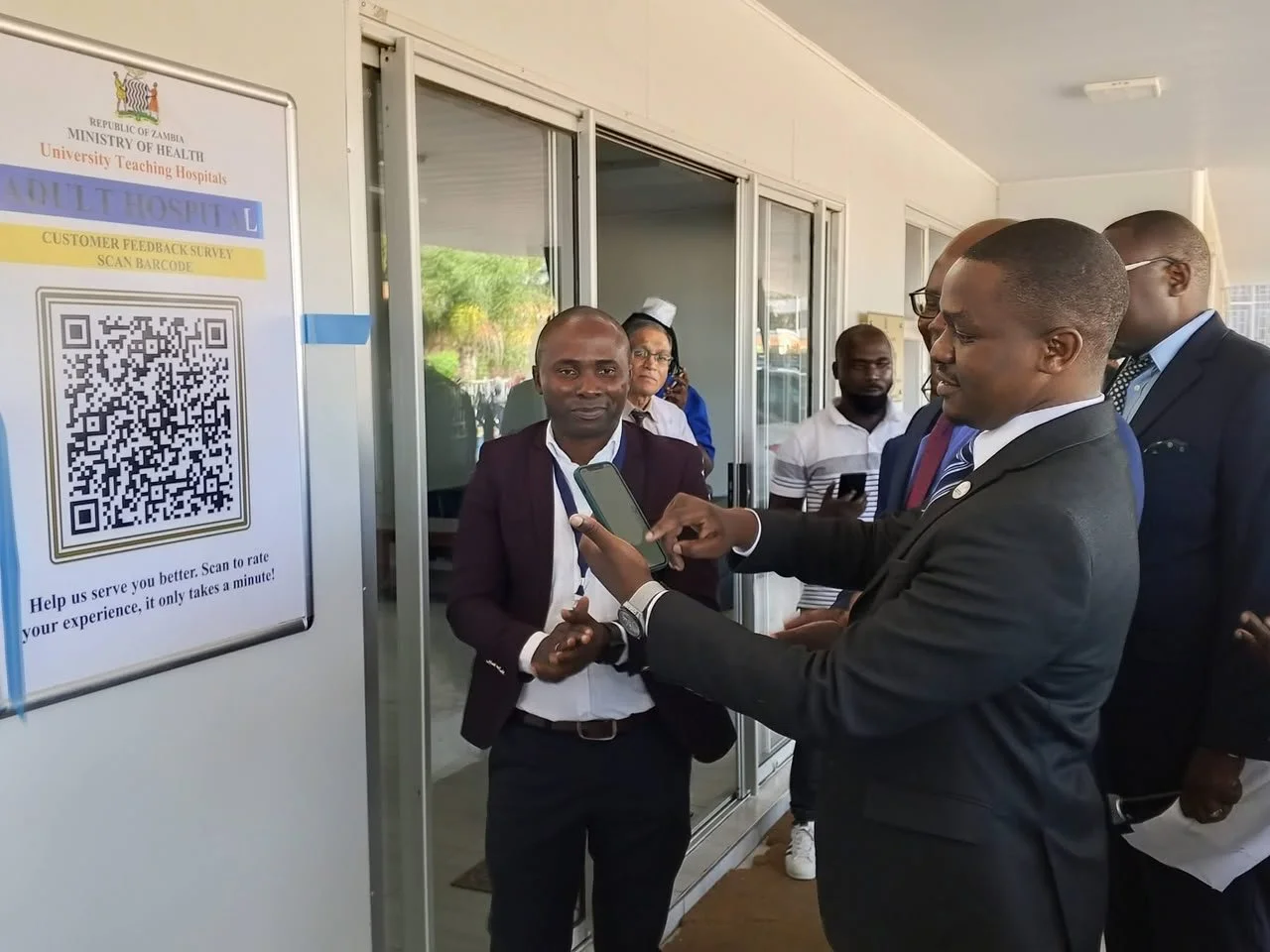
Permanent Secretary for Technical Services in the Ministry of Health, Dr Kennedy Lishimpi, described the platform as an important step towards strengthening professionalism, accountability and patient-centred care across Zambia's health system.
"The introduction of the Client Satisfaction Survey QR Code is highly commendable. This digital platform provides an easy, quick, and convenient way for patients and members of the public to provide real-time feedback on the services they receive," he said.
Patient feedback, he added, should not be viewed negatively but as an opportunity to improve services and build trust between providers and the communities they serve. "When patients feel heard, respected, and valued, their confidence in the health system grows," he said.
The initiative also reflects the growing use of technology to improve public services. As the Government continues to modernise healthcare, digital tools are increasingly being deployed to strengthen efficiency, transparency, accountability and citizen engagement.
A small code, a bigger voice
While the QR code may seem a small addition within the corridors of UTH, its significance reaches well beyond the technology itself. It gives patients something many have long wanted: a direct voice in how their healthcare is delivered.
For the thousands who pass through UTH each year, the message is simple. If you have a complaint, a suggestion or a compliment, there is now a clear and accessible way to be heard.