
Zambia's Mining Sector Charts Its Course to 2031
Legal mining, safe practices, structured trade, and security across the value chain are key principles for the sector's future.
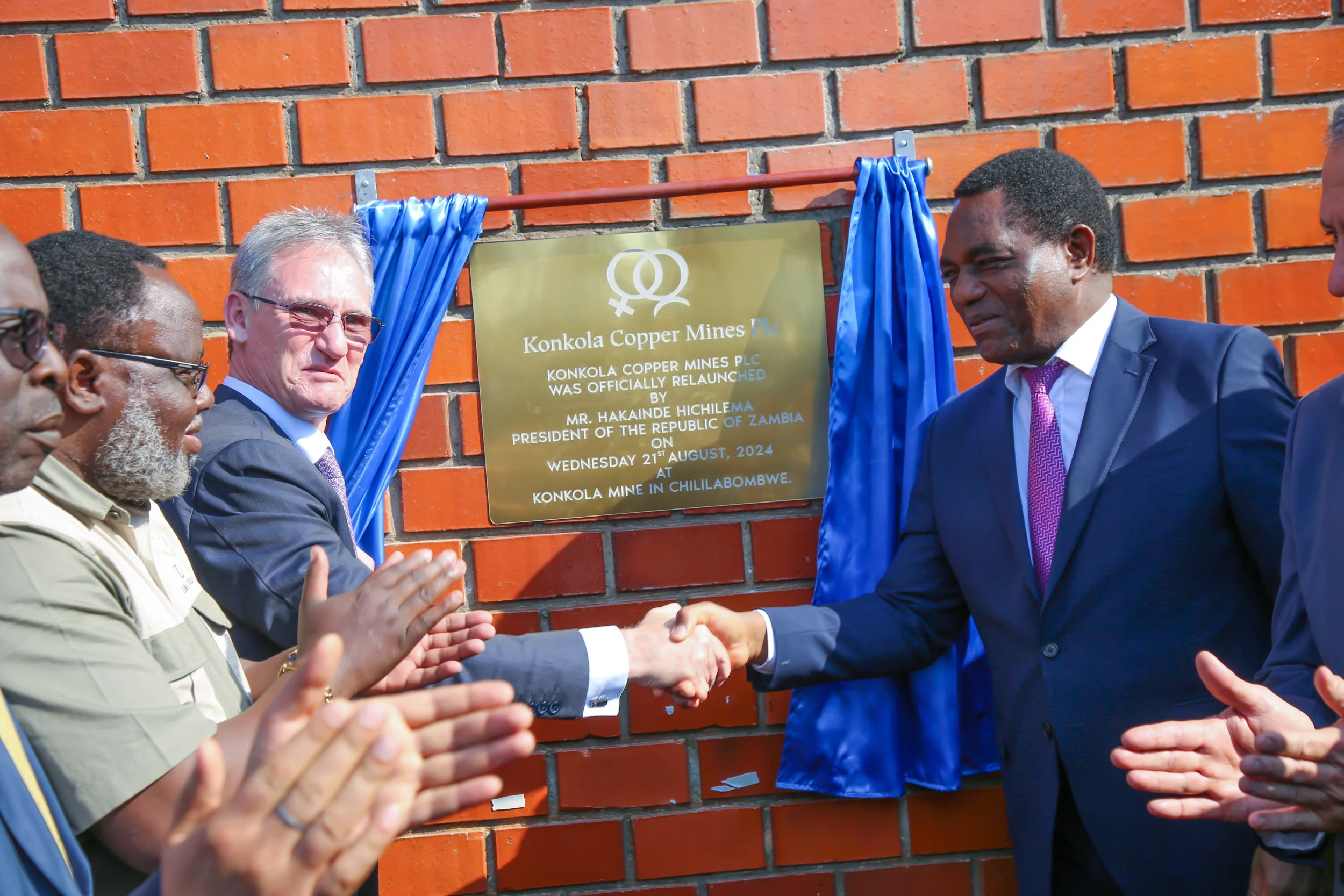
The gains observed in Zambia's mining sector in 2025 did not occur by chance. They resulted from intentional policy direction, macroeconomic discipline, and strategic reforms implemented under President Hakainde Hichilema's leadership.
During his address at the 32nd Investing in African Mining Indaba in Cape Town on February 9, 2026, the President emphasised that mining is a crucial component of Zambia's broader economic recovery. He highlighted that the country has improved from a -2.8% contraction to a 6.4% growth rate over four years, alongside a return to single-digit inflation and the successful completion of the 38-month IMF Extended Credit Facility programme.
Importantly, he connected the revival of mining to tangible social outcomes — including the expansion of free education and the enrolment of 2.3 million children. This demonstrates how improved economic performance and increased mining revenues are translating into broader national benefits.
A Structured Return to Scale
In 2025, Zambia's mining sector not only experienced a rise in copper production but also demonstrated a structured return to scale. After years of operational uncertainty, recapitalisation, and global volatility, the industry is regaining momentum thanks to policy reforms, renewed investments, and institutional realignment.
As the President reminded global investors at the Indaba: "All minerals are critical minerals" — reinforcing Zambia's strategic commitment to maximising value across its entire mineral base, which includes copper, cobalt, manganese, lithium, and emeralds.
Copper Production: Strong Momentum, Real Challenges
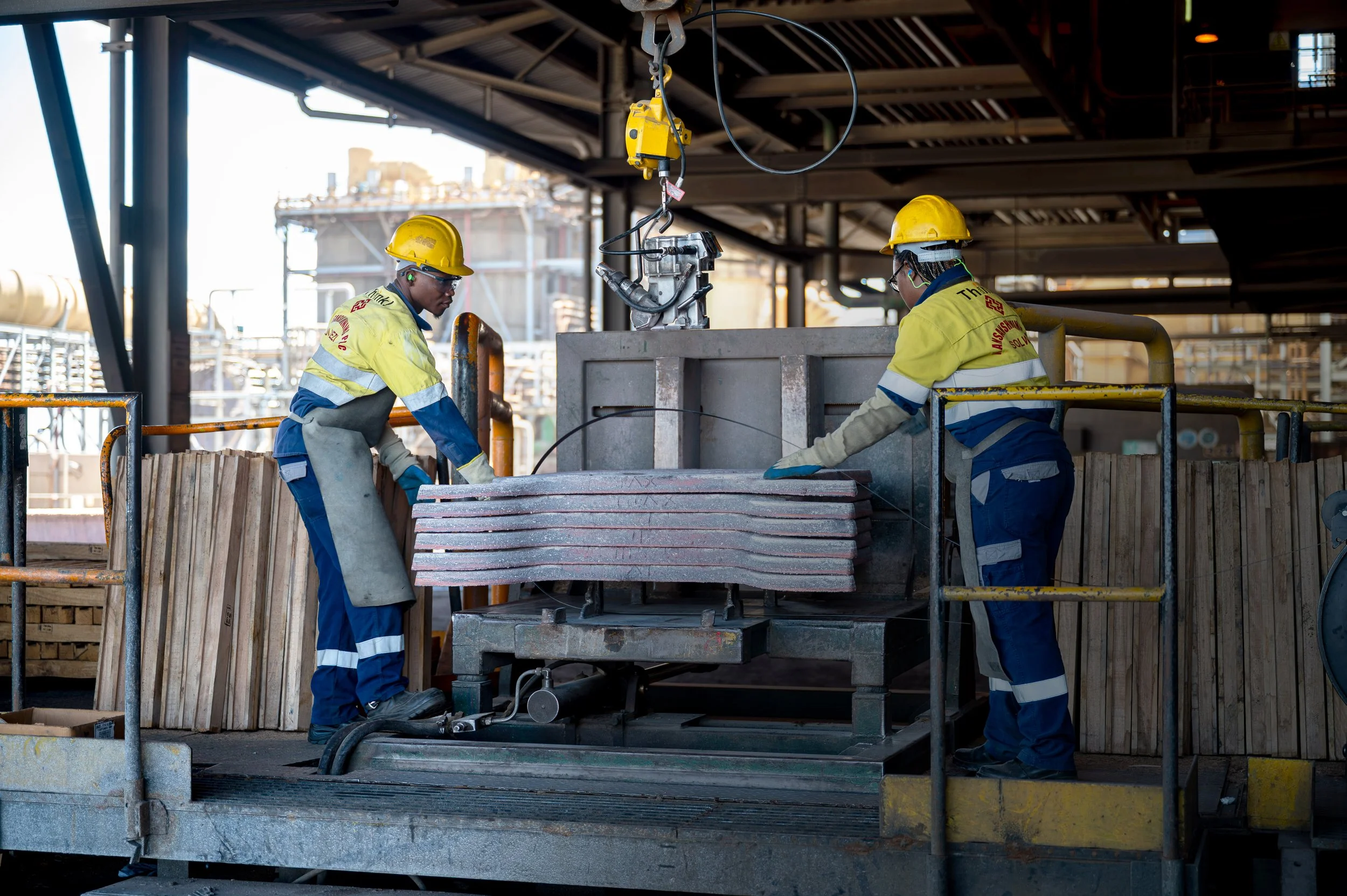
Copper production rose by 8%, increasing from approximately 825,000 metric tonnes in 2024 to over 890,000 metric tonnes in 2025. This growth can largely be attributed to improved performance at Konkola Copper Mines (KCM), Mopani Copper Mines, Kansanshi, and Lubambe Copper Mine.
KCM's recovery was particularly remarkable, with output surging by over 366% compared to 2024 levels. Mopani also recorded a 40% increase. The improvements indicate the stabilisation of key assets — vital for both production levels and investor confidence — supported by policy reform, renewed investment, and institutional realignment.
However, challenges remain. A temporary halt at SINO Metals Leach due to a tailings dam incident, along with reduced output at the FQM Trident Mine, has hindered progress toward the one-million-tonne target, emphasising the importance of every single tonne.
Diversification Gains Ground
On a positive note, diversification has advanced steadily:
Gold production increased by 12%
Zinc production rose by 25%
Coal output grew by 28%
Cobalt production experienced a sharp increase
This progress positions Zambia prominently in the global conversation surrounding critical minerals and the energy transition. As President Hichilema emphasised in Cape Town: "Resources create prosperity when unlocked strategically and with collaboration. Endowment, skills, and experience are not enough."
Major Investments Driving Optimism
Investment has further strengthened optimism.
The US$600 million Sinomine Kitumba project in Mumbwa moved into active development in 2025, with copper production expected to start in 2026. The project includes a 50-megawatt solar plant that will power operations and supply surplus energy to the national grid — reflecting a shift toward climate-conscious expansion.
The US$1.25 billion Kansanshi S3 Expansion Project represents a major capital injection. By increasing milling capacity and recovery rates, this project is expected to extend the mine's life by over two decades and create approximately 1,500 new jobs.
Institutional Reforms and Local Content
Institutional reforms have advanced in step with production gains. The Geological and Minerals Development Act No. 2 of 2025 has replaced the 2015 framework, modernising policy formation and regulation of the sector. The operationalisation of the Minerals Regulation Commission has centralised licensing, safety, environmental oversight, and dispute resolution.
Participation of local companies in the mining sector is a priority. The Geological and Minerals Development (Local Content) Regulations, which took effect on January 1, 2026, aim to enhance Zambian involvement in goods and services throughout the mineral value chain — stimulating domestic enterprise while maintaining competitiveness.
Formalising Artisanal and Small-Scale Mining
At the artisanal and small-scale mining level, formalisation has accelerated. In 2025, more than 1,000 artisanal mining rights were granted — a 57% increase from the previous year. Since 2023, over 1,600 rights have been issued, accompanied by training in safe mining practices and environmental management.
Gold marketing centres in Mumbwa and Rufunsa are working to formalise trade and improve traceability.
Safety: A Non-Negotiable Priority
Safety remains a critical concern. Although reported accidents declined slightly in 2025, fatalities increased — primarily due to unregulated operations. Legal mining and safe practices are non-negotiable principles that reinforce President Hichilema's call for strategic and responsible management of Zambia's mineral endowment.
Mapping the Future Underground
Geological intelligence is improving. The Countrywide High-Resolution Aerial Geophysical Survey (CHRAGS) reached the halfway mark in 2025, with full coverage expected by mid-2026, unlocking new exploration opportunities.
Growing International Engagement
International engagement has expanded significantly. The Zambia Mining and Investment Insaka (ZAMII) 2025 attracted over 1,500 delegates from more than 15 countries. At the Mining Indaba, the focus was on partnerships, value addition, and regional value chains aligning with the President's message that mineral wealth must be unlocked through collaboration and long-term vision.
Mining Revenues Funding Social Priorities
Mining revenues are now funding social priorities. Improved compliance with area charges led to a nearly 15% increase in non-tax revenue collection in 2025. The sector's revenues support national programmes such as free education, enabling over 2.3 million children to return to school.
The Road to 3 Million Metric Tonnes by 2031
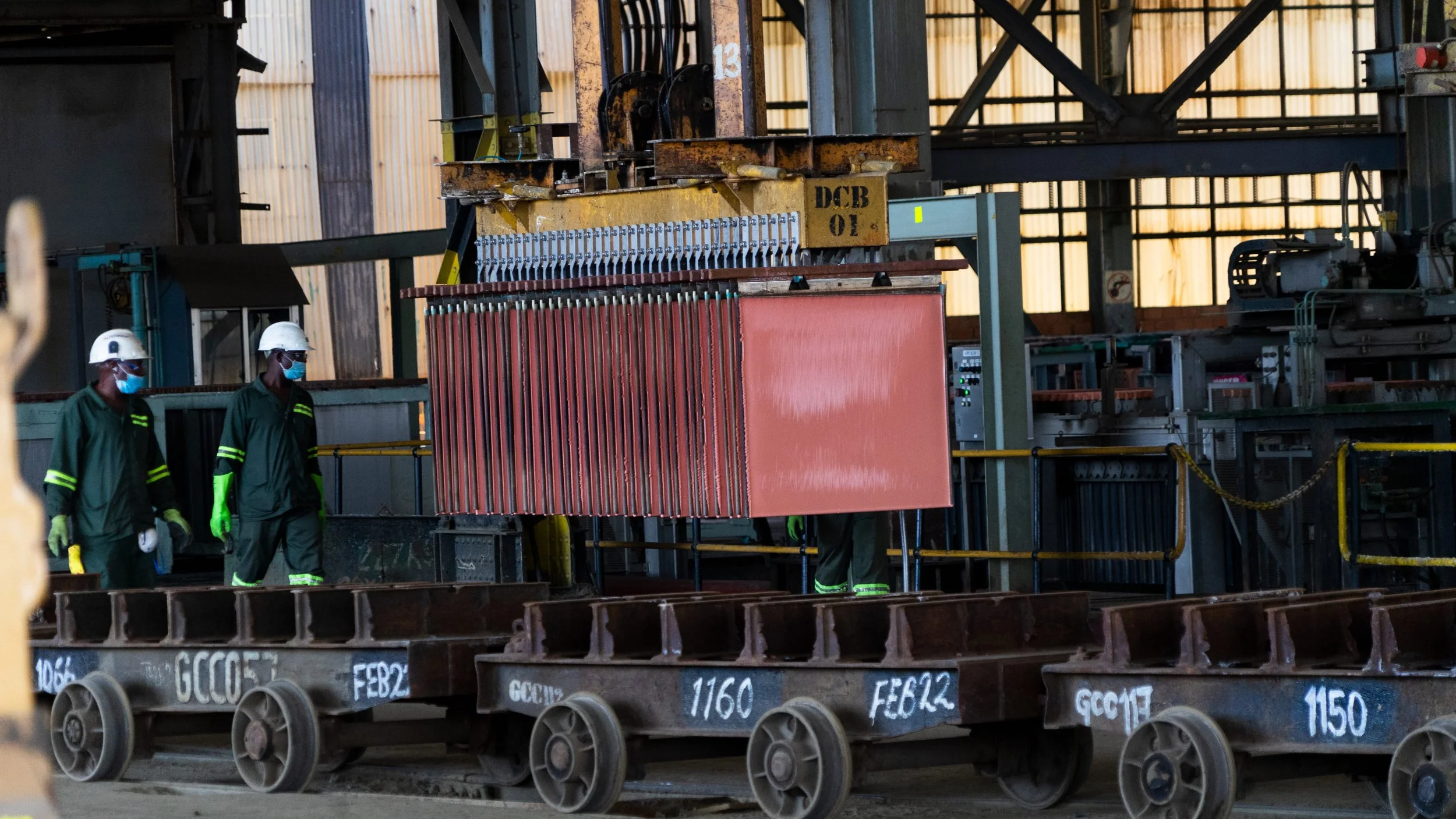
In summary, 2025 signalled a structural repositioning within the industry. A recovery in production along with reinvestment, reforms, formalisation, mineral mapping, and increased investor engagement is converging towards a single objective: increasing copper production to 3 million metric tonnes per annum by 2031.
Achieving this target requires expanding existing mines, expediting the commissioning of new projects, ensuring reliable energy sources, supporting infrastructure, and sustaining a commitment to safety. Strong partnerships among government, investors, and local communities are also essential.
In this regard, the Presidential Delivery Unit (PDU) plays a central role in coordination and performance tracking. Through structured monitoring routines, inter-ministerial coordination, data-driven analysis, and quarterly Presidential stocktakes, the PDU works to unblock bottlenecks, strengthen accountability, and ensure that mining sector reforms translate into measurable outcomes.
The ambition is bold. Increasing production to 3 million metric tonnes within six years demands discipline and continuity. The trajectory established in 2025 indicates that the foundation is being laid — purposefully.
By 2031, success will be measured not just by copper volume but also by local participation, institutional strength, and tangible improvements in citizens' lives. The sector is moving beyond mere recovery; it is now focused on achieving scale.