
In today's global economy, digital infrastructure is no longer a luxury exclusive to technology companies and urban consumers. It has become an essential public utility that influences economic productivity, educational access, financial inclusion, governance efficiency, and citizen participation.
In Zambia, the transformation is becoming increasingly visible. The 3rd Digital Economy Round Table (DERT 3) took place in Lusaka on 14 May 2026, organised by the Ministry of Technology and Science (MOTS), the Zambia Information and Communication Authority (ZICTA), and the Presidential Delivery Unit (PDU). The event highlighted a developing national consensus that digital transformation should progress beyond mere policy intentions and result in tangible improvements that ordinary citizens can see, feel, and benefit from.
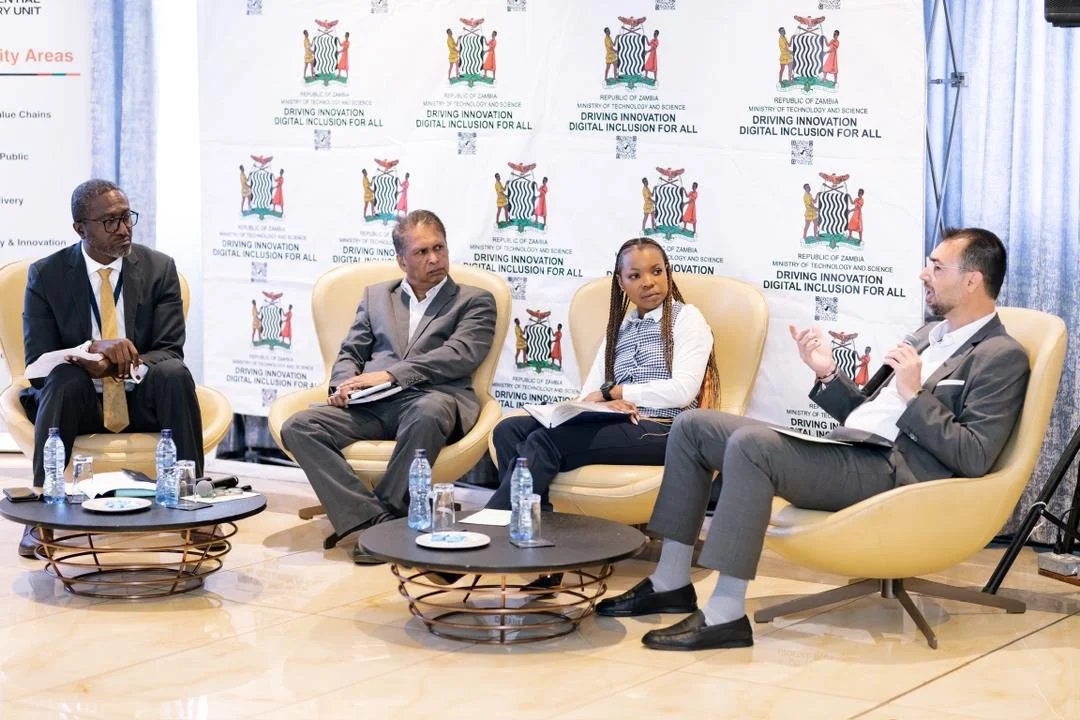
DERT is a government-led platform, convened by MOTS in collaboration with the PDU, that brings together mobile network operators, regulators, technology companies, cooperating partners, and innovators to coordinate investments and solutions to accelerate Zambia's digital transformation agenda.
Listening to citizens
During DERT 3, the government and sector partners acknowledged the ongoing concerns voiced by many citizens regarding unstable mobile network quality, connectivity, and the affordability of digital services. Rather than dismissing the concerns, government officials recognised them as indicators of rising digital demand and increased citizen expectations. Speaking during the engagement, former Minister of Technology and Science Felix Mutati stated that the government is listening to citizens and working closely with ICT industry stakeholders to improve service quality and strengthen digital infrastructure nationwide.
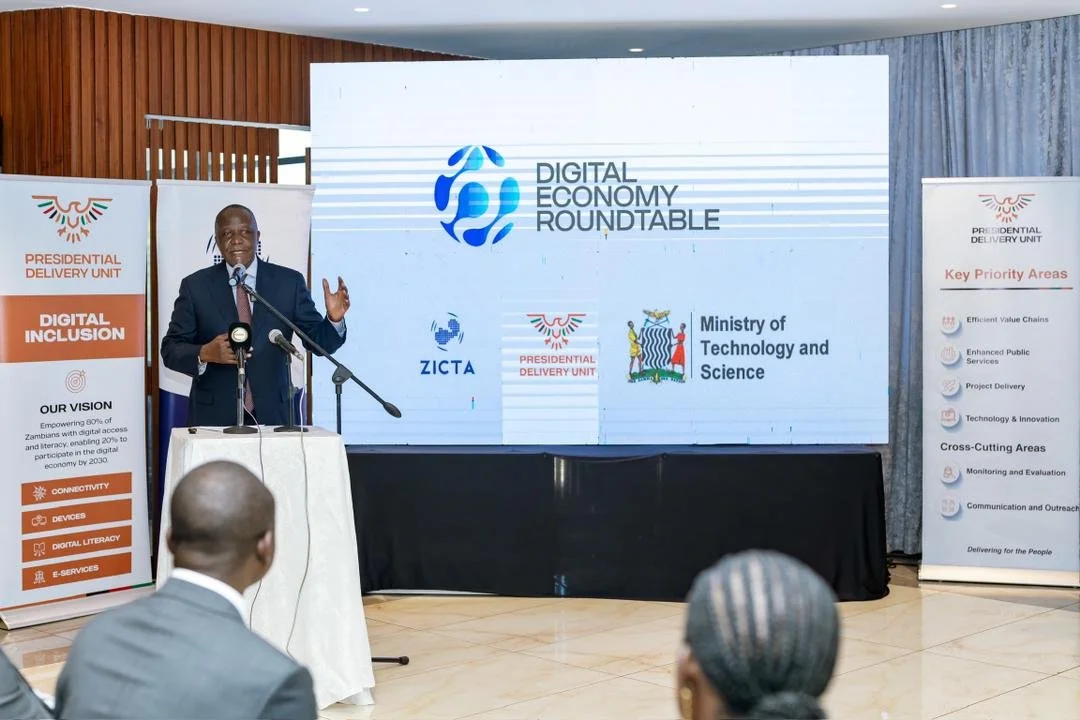
That acknowledgement matters because digital transformation is not simply about infrastructure statistics. It is about whether a teacher can reliably access online learning materials in a rural school. It is about whether a young entrepreneur can run an online business without losing customers due to unstable connectivity. It is about whether a farmer, trader, or Social Cash Transfer beneficiary can access mobile money services safely and efficiently.
Foundations being built
The progress presented during DERT 3 shows that Zambia is steadily building the foundations for that future. Connectivity coverage has now reached 94% nationwide, while more than 45,000 kilometres of fibre infrastructure have been deployed to strengthen internet reliability and speed. Nearly 400 private sector towers have been rolled out this year alone, with the government supporting an additional 300 towers through a partnership with the World Bank to improve access in underserved communities.
These investments are not merely technical achievements. They are economic enablers. Reliable digital infrastructure reduces transaction costs for businesses, improves access to markets, supports innovation ecosystems, and strengthens citizen access to government services. In many communities, internet connectivity increasingly determines access to education, jobs, healthcare information, and financial systems.
Progress on financial inclusion is equally significant. Zambia has now recorded 80% financial inclusion, driven largely by mobile money expansion and broader digital access. Over one million Social Cash Transfer beneficiaries have been onboarded onto mobile money platforms, improving convenience, transparency, and efficiency in the delivery of social protection services. For vulnerable households, the transition reduces travel costs, shortens transaction times, and improves financial security. It also strengthens public confidence in digital government systems.
The government has continued to support broader participation in the digital economy. During DERT 3, stakeholders highlighted the distribution of 10,000 digital devices to women and youth entrepreneurs to support enterprise growth and participation in the digital economy. The investments reflect a growing recognition that technology must become an accessible economic tool for ordinary citizens rather than remain concentrated among a small urban elite.
Beyond infrastructure: creators, gamers and innovators
A significant change at DERT 3 was the expansion of the national conversation to include not only traditional telecommunications infrastructure but also digital content creators, gamers, artificial intelligence innovators, and robotics stakeholders. The shift signals an important evolution in understanding the modern digital economy. Today, digital value chains are increasingly driven by creators, software developers, online educators, streamers, designers and platform-based entrepreneurs. They are emerging industries capable of generating employment, export earnings and youth participation if properly supported.
In recognition of the opportunity, stakeholders resolved to establish a dedicated workstream under the Digital Economy Round Table framework focused on digital content creators and gamers. The initiative will work towards developing monetisation pathways, digital entrepreneurship models and job creation strategies for young Zambians seeking to participate meaningfully in the digital economy.
Accountability and service delivery
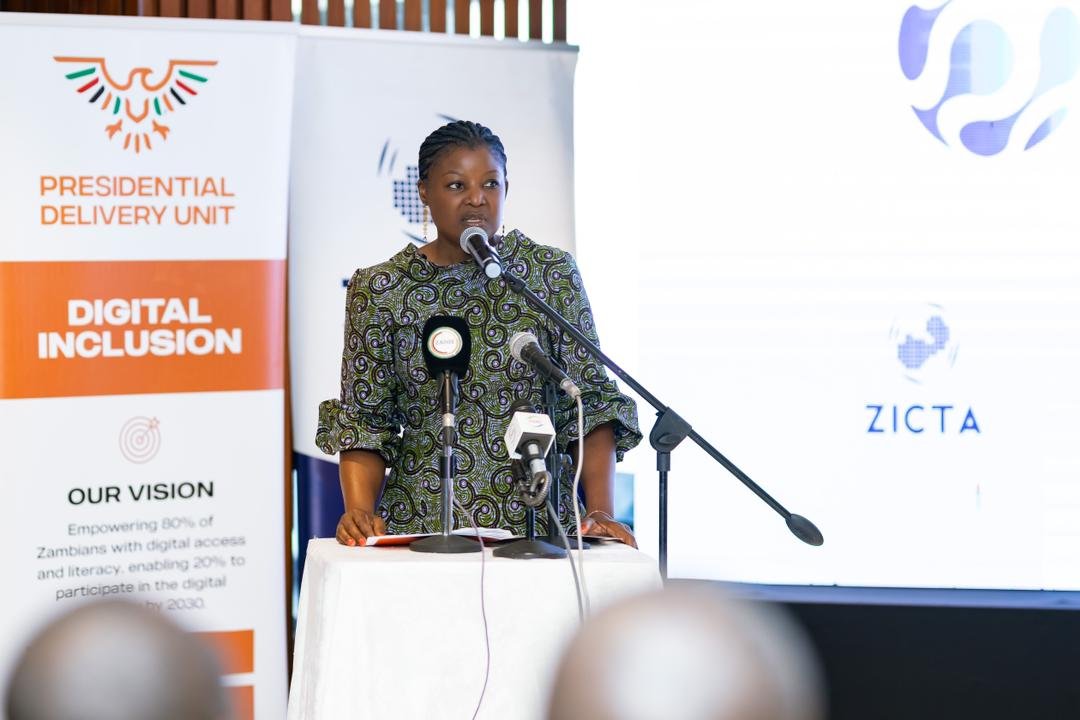
DERT 3 also placed strong emphasis on accountability and service delivery. In his closing remarks, Permanent Secretary of the Ministry of Technology and Science, Dr Brilliant Habeenzu, noted that DERT 3 had moved beyond dialogue to concrete implementation actions focused on service quality, accountability, and citizen participation.

Among the major resolutions was the commitment to strengthen accountability mechanisms for Mobile Network Operators by enhancing monitoring of network improvement roadmaps and introducing quarterly public reporting on Quality of Service indicators. This is a significant governance step because public trust in digital systems depends not only on expansion but also on transparency, responsiveness, and measurable improvements in service delivery.
ZICTA was tasked with leading a technical working group to consolidate and centralise national ICT and digital inclusion data to improve sector coordination, evidence-based planning, and cohesive industry reporting. Government and stakeholders further resolved to collaborate on a national communications campaign to rebuild citizen trust in digital services and increase uptake of government e-services and other digital platforms. The move reflects recognition that successful digital transformation requires more than infrastructure deployment. It also requires public confidence, awareness, and active citizen participation.
Stakeholders reiterated the importance of prioritising the expansion of internet infrastructure, supporting device programmes, and advancing e-learning digitisation initiatives in underserved and rural communities, to ensure that no citizen is left behind in Zambia's digital transition.
The government has approved K255 million to tackle quality of service challenges by upgrading infrastructure and improving connectivity. The decision shows that citizens' concerns about poor network quality and unreliable services are being acknowledged, and that those concerns are increasingly influencing policy responses and implementation priorities.

The real test
Citizens will ultimately judge progress not by announcements alone, but by improved call quality, stronger connectivity, affordable digital services, and reliable access to online platforms. The real test now lies in execution. Citizens will measure digital transformation not through conference declarations, but through improved call quality, faster internet speeds, affordable digital services, reliable e-government platforms, and meaningful economic opportunities.
DERT 3, therefore, represented more than a policy discussion. It reflected a broader national effort to ensure that Zambia's digital transformation agenda delivers practical results that ordinary citizens can experience in their daily lives.