From Empty Classrooms to Overflowing Schools: The Twashuka Story
When President Hakainde Hichilema visited Twashuka Primary School in Kanyama on 17 March 2026, he posed a question that cut to the heart of his government's education agenda.
"Where would the 2.5 million children now back in school be today, if not for free education?"
It is the kind of question that is easier to answer when you are standing inside a school that has doubled in size in four years.
A School Transformed
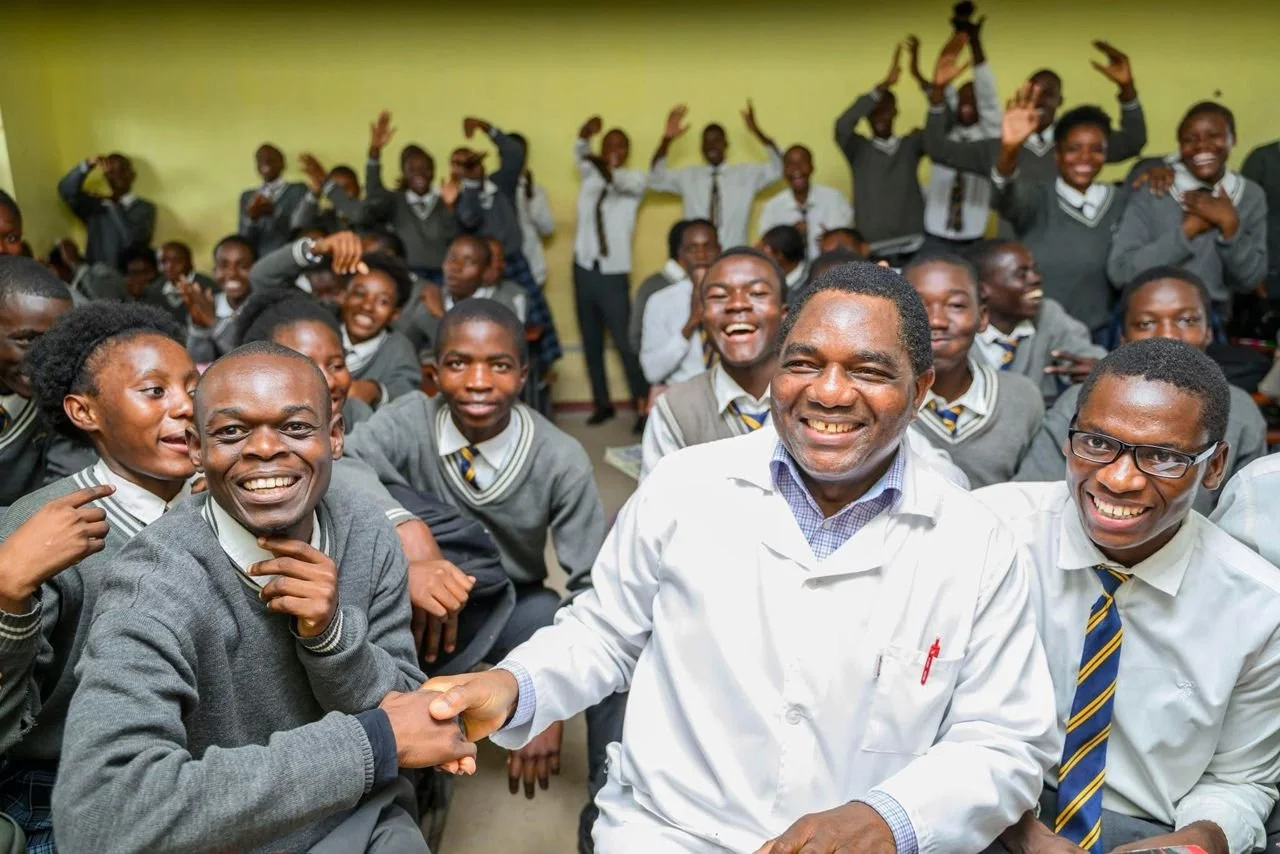
Established in 1997, Twashuka Primary School has long served one of Lusaka's most densely populated compounds. But the pace of change in recent years has been remarkable. Enrolment has grown from approximately 3,000 learners in 2022 to over 6,000 in 2026 — a doubling of the school population in a single presidential term.
What makes that figure more significant is what has not happened as a result: despite the surge, school authorities confirm that no learner is seated on the floor. Infrastructure improvements, funded through the Constituency Development Fund (CDF), have kept pace with demand — at least for now.
More Than Waiving Fees
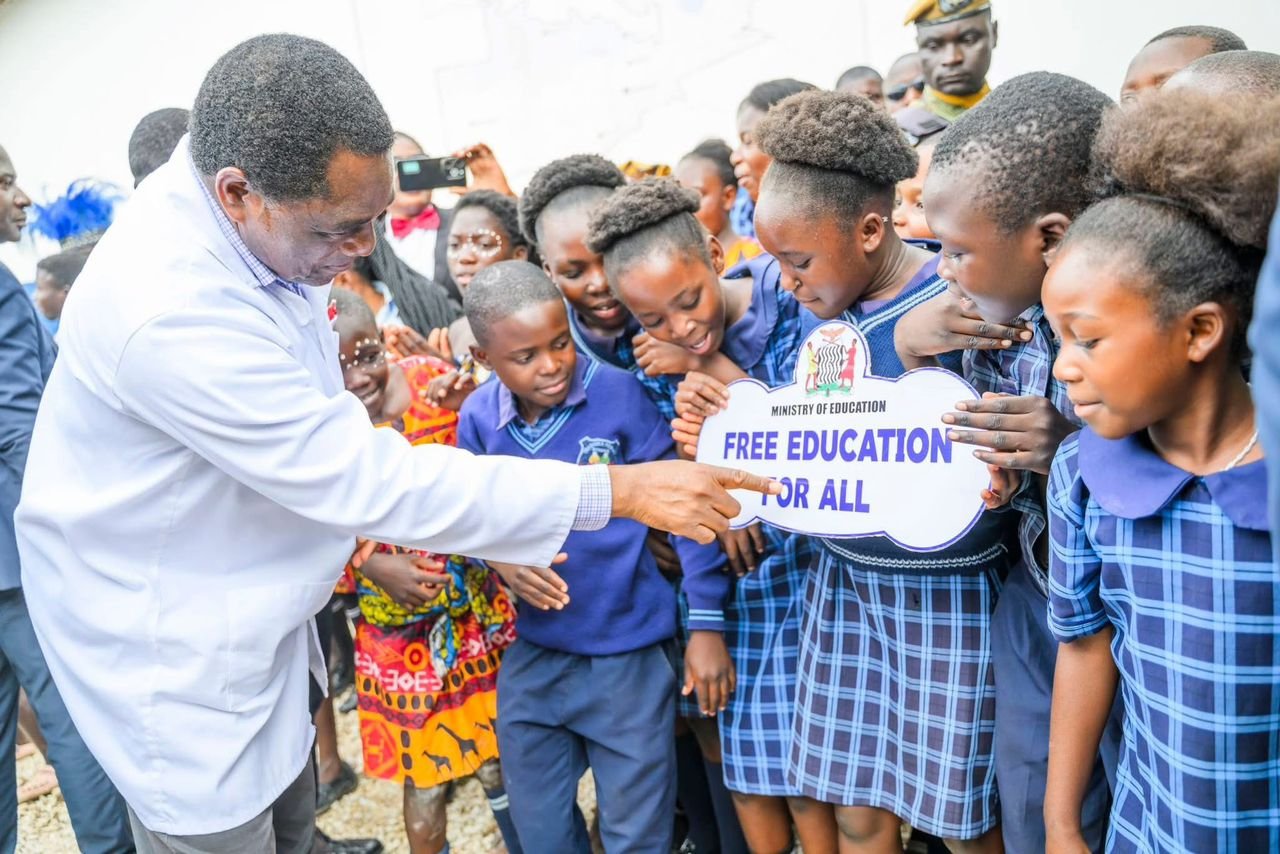
The growth at Twashuka is not simply the result of removing school and examination fees, though that has clearly been a driver. Education authorities describe free education as a comprehensive policy package — one that encompasses classroom construction, desks, water and sanitation facilities, teacher recruitment, school health services, and nutrition support.
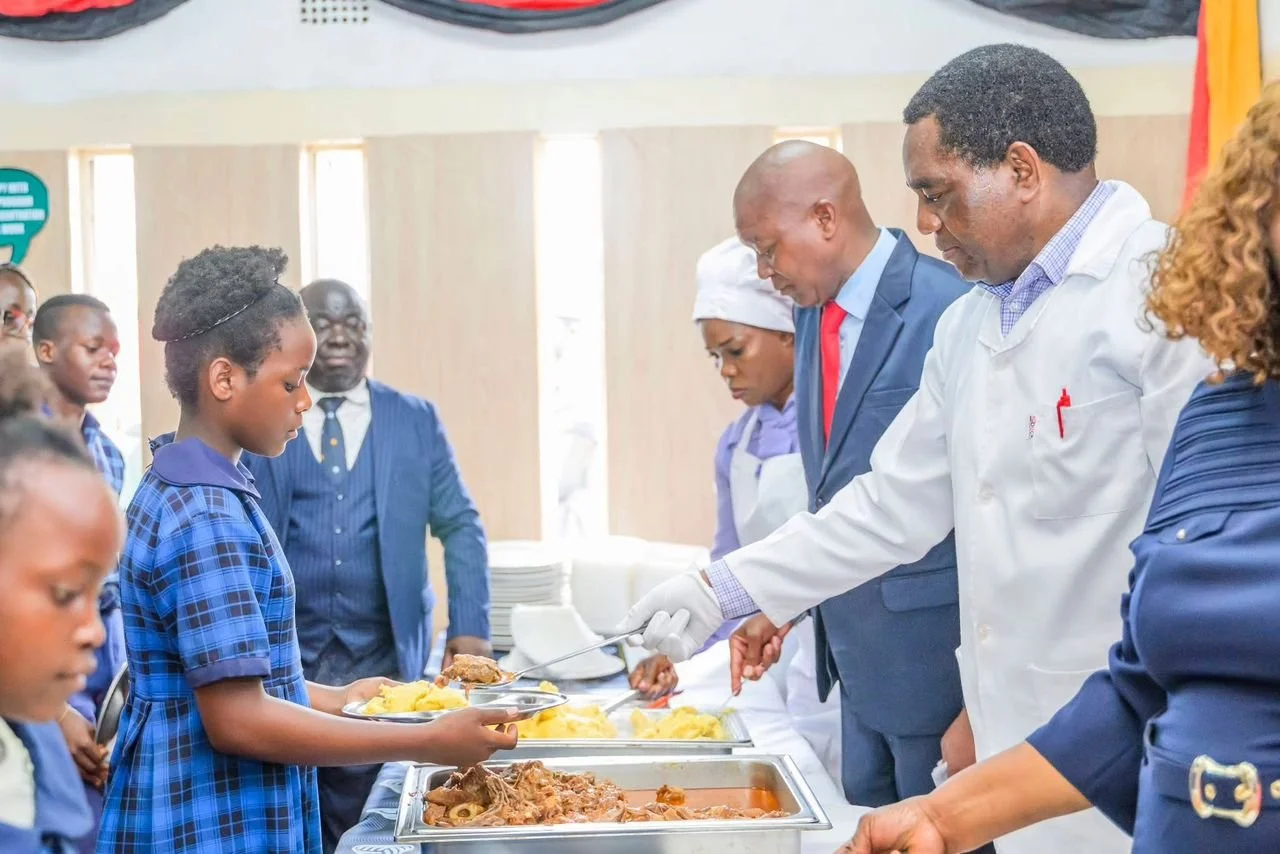
Central to the retention picture is the School Feeding Programme, delivered in partnership with Mary's Meals. The programme currently reaches over 720,000 children across Zambia, providing a daily meal designed to improve concentration and encourage consistent attendance.
"A child cannot learn on an empty stomach," said Fingani Muhone. It is a simple observation, but the data from Twashuka bears it out.
Education Minister Douglas Siyakalima was direct about the stakes. The additional 3,000 learners now enrolled at the school, he said, may not have been in class at all without these combined interventions. He was also candid about timelines: education outcomes unfold over years and decades, and what is happening now is the laying of a foundation.
Challenges Ahead
The President acknowledged what everyone working in the sector knows — that rising enrolment is both a success story and a pressure test. Greater participation places new and sustained demands on infrastructure, teaching capacity, and service delivery.
"We must care for each other," he said, "and those in public office must deliver."
The government has signalled its intent to entrench the policy for the long term. A Cabinet memorandum proposing the legal reinforcement of free education has been advanced and is expected to be considered by Parliament. At school level, a commitment was made during the visit to construct a hall, responding directly to infrastructure concerns raised by learners.
The Bigger Picture
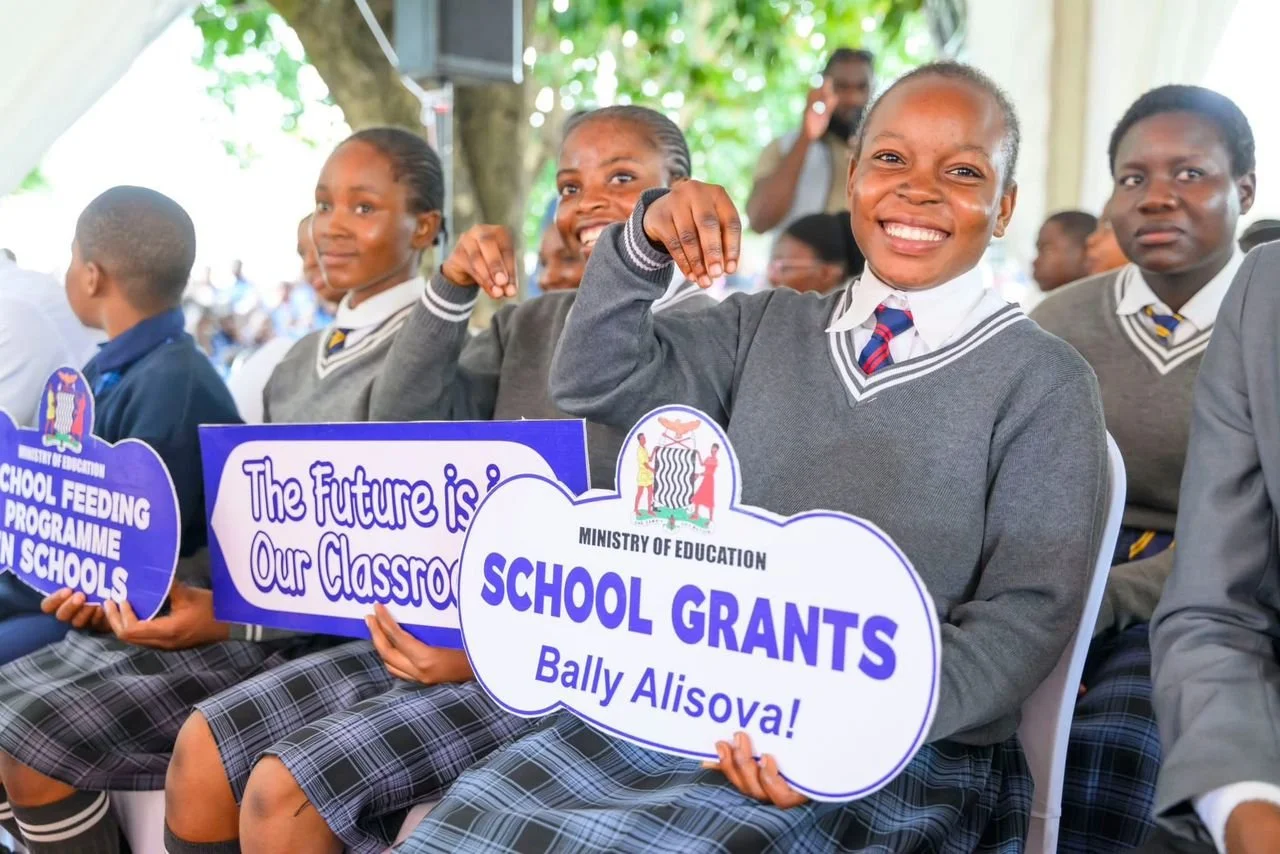
President Hichilema described the children of Twashuka as "young souls walking the path of opportunity" — part of the country's long-term human capital story. It is language that connects a school visit in Kanyama to a much larger national ambition.
Zambia's development trajectory will ultimately depend on what happens inside classrooms like these. Twashuka Primary School is evidence that when the right policies are combined — and properly resourced — access expands rapidly. The harder work of sustaining quality as that access grows is the challenge now in front of the system.