
From Shortages to Stability: Zambia Is Transforming Access to Essential Medicines
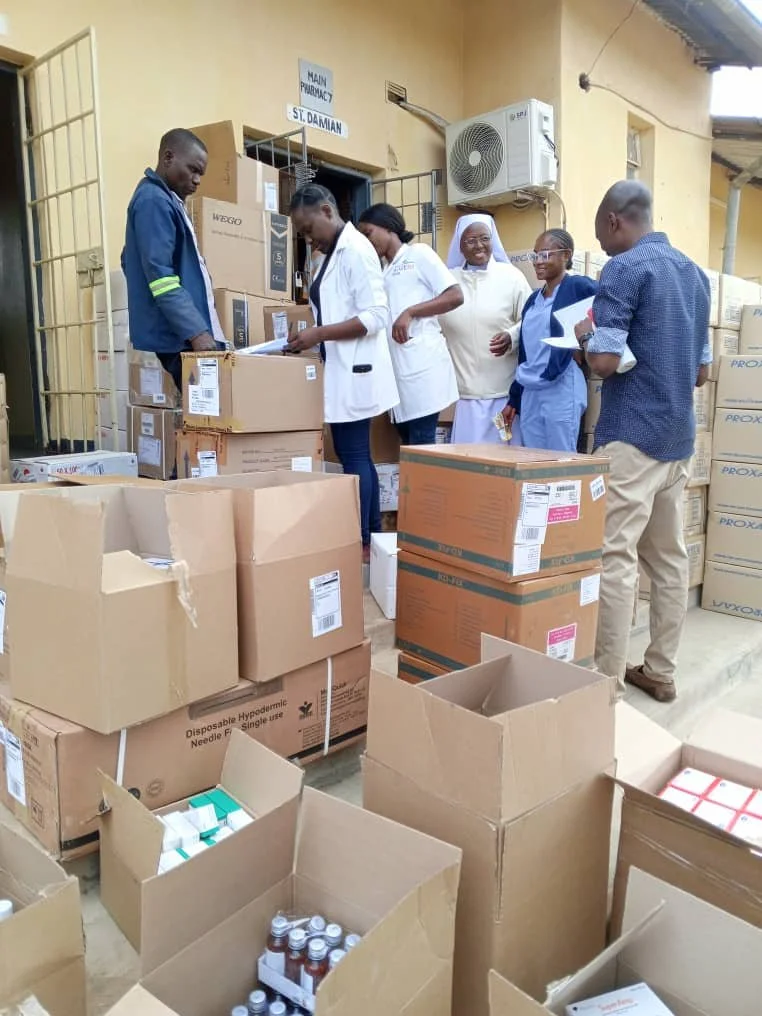
Receipt of drugs at Minga Mission Hospital in Petauke, Eastern Province
In 2021, only 35 percent of essential medicines were available at many public health facilities in Zambia. Fortunately, this situation has improved significantly with the Government's measures.
By 2024, national drug availability had surpassed 80 percent, exceeding the World Health Organisation’s (WHO) minimum standard for essential medicine coverage. This is a vital benchmark for the reliability of any public health system and signals a significant turnaround for Zambia’s health sector.
This progress is the result of deliberate reforms initiated by the Government under President Hakainde Hichilema.
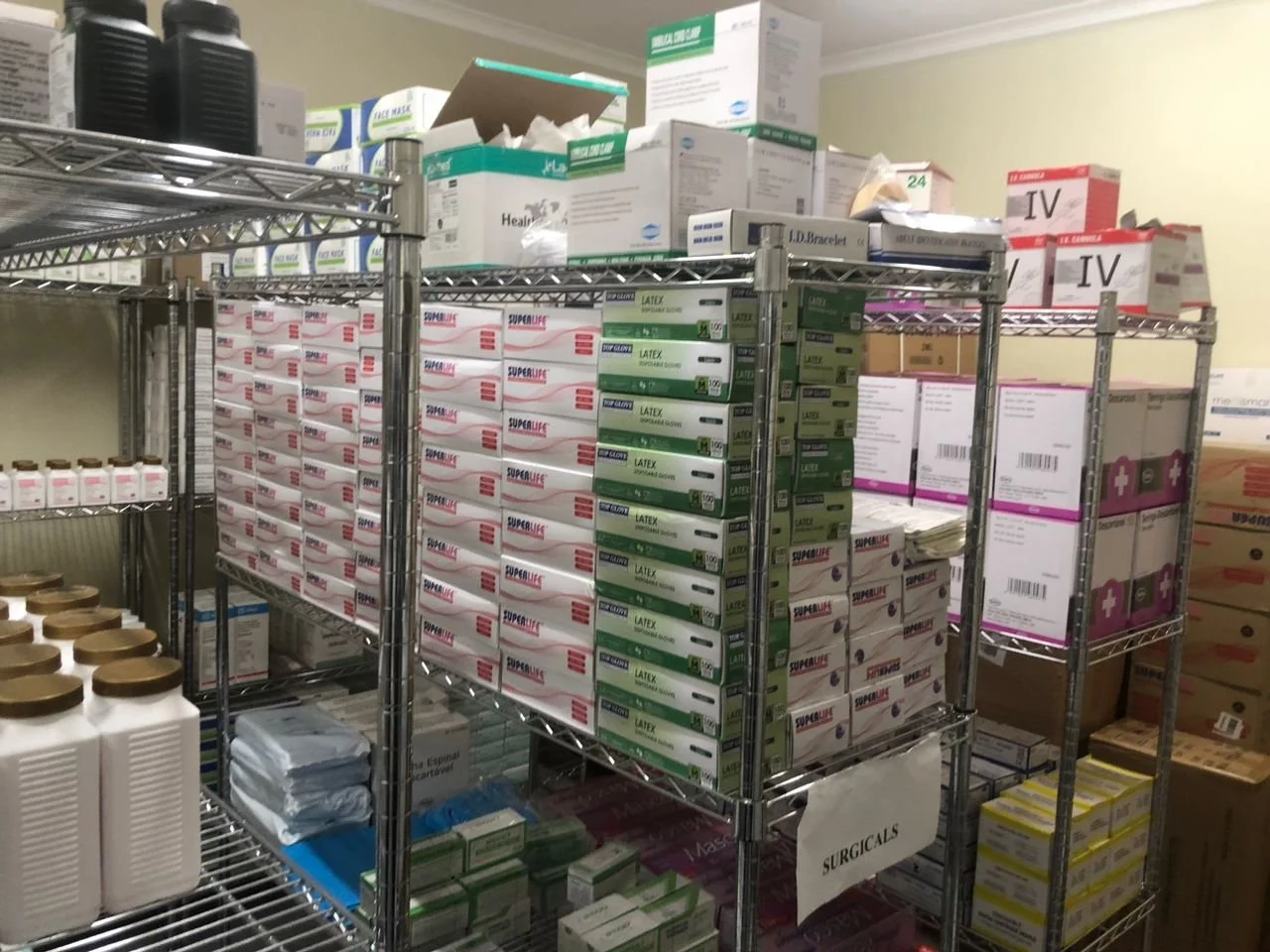
Drug storeroom (Pharmacy), Chimwemwe level II, Kitwe, Copperbelt Province.
What Are Essential Medicines – And Why Do They Matter?
Essential medicines address priority health needs as defined by the WHO. They include treatments for common and life-threatening conditions across the population.
Because national essential medicines lists are long, the WHO introduced the concept of “tracer medicines” – a smaller set of commonly used drugs that act as indicators of how well the medicine supply chain is functioning. The tracer medicines typically address conditions such as malaria, respiratory infections, and maternal health.
If tracer medicines are consistently available, it is a strong sign that the overall supply system is working. When they are frequently out of stock, it signals broader problems that can affect many other medicines as well. WHO recommends at least 80 percent availability of essential medicines to sustain reliable care.
Zambia crossing this threshold marks an important step towards a more dependable public health system.
Availability vs Accessibility: Two Sides of the Same Coin
Availability and accessibility are closely linked, but they are not the same.
● Availability refers to whether medicines are physically present in the supply chain – in central warehouses, on delivery trucks, and on the shelves of public health facilities.
● Accessibility is about whether a patient can actually get those medicines when they visit a health facility for care.
Several factors can limit accessibility even when medicines are technically “available”, including:
● Distance to the facility
● Opening hours and long waiting times
● Staff attitudes and practices
● Stock mismanagement, diversion or pilferage
Availability is a prerequisite for accessibility – but it is not enough. A warehouse full of medicines does not help a patient who leaves the clinic with only a prescription and no medicine in hand.
Hence, the current focus is on strengthening last-mile delivery systems, accountability mechanisms and facility-level practices that convert supply into real access for patients.
How Medicines Flow Through the Health System
Zambia’s health system distributes medicines according to the level of care:
● Health posts and health centres receive standardised Health Centre Kits containing tracer medicines for routine conditions. These kits ensure a baseline supply for everyday illnesses close to communities.
● District and referral hospitals receive a broader range of medicines directly from the Zambia Medicines and Medical Supplies Agency (ZAMMSA) to support inpatient care, surgeries, and specialised treatments.
In principle, patients should be able to find medicines for common conditions at their nearest health centre, while more complex cases are referred to higher-level facilities.
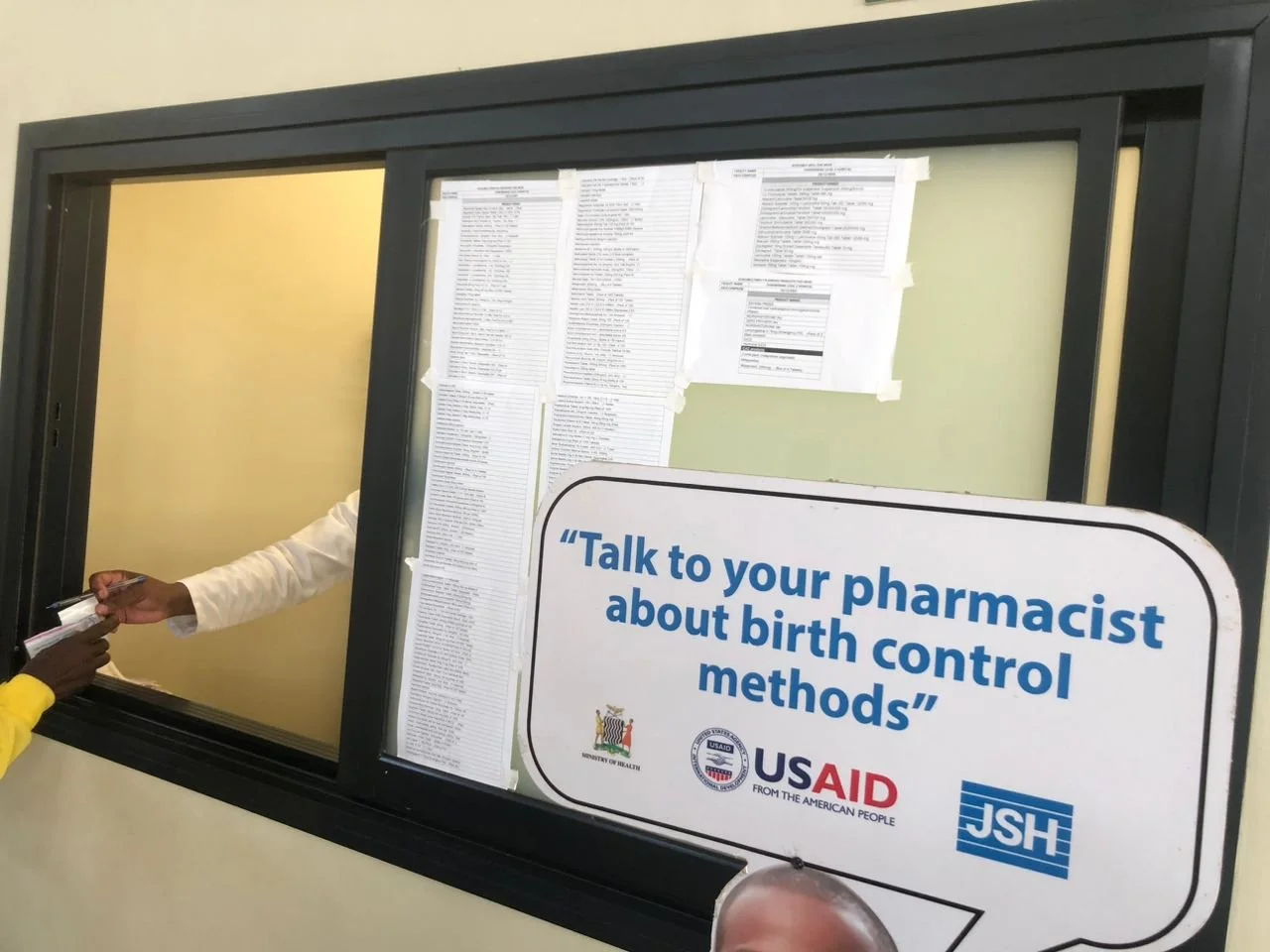
List of available essential medicines, “tracer drugs,” publicly displayed and updated weekly at Chemwemwe level II hospital in Kitwe, Copperbelt Province.
What Changed to Drive Improvements?
Since 2022, reforms have focused on financing, procurement, logistics and monitoring across the medicines supply chain.
Key measures include:
● Increased financing: Government spending on medicines rose from ZMW 1.4 billion in 2021 to ZMW 4.9 billion by 2024.
● Stronger procurement: Long-term supplier agreements with international partners stabilised stock flows.
● Better logistics: Improved planning and distribution reduced stock-outs at the facility level.
● Real-time monitoring: New systems help track availability, identify gaps quickly and resolve bottlenecks faster.
The Presidential Delivery Unit (PDU) plays a coordination role:
● Bringing together the Ministry of Health (MoH), ZAMMSA and partners
● Tracking delivery milestones
● Unblocking implementation challenges
● Aligning resources to the President’s seven national delivery priorities, including medicines supply.
Turning Supply into Access: The Role of Transparency
Despite improvements in national availability figures, community reports still show that some patients are asked to buy medicines from private pharmacies even when public stocks are available. This raises concerns about:
● Possible diversion or pilferage
● Weak accountability controls
● Limited transparency at the facility level
To close the gap between supply and real access, facilities are being encouraged to adopt practical transparency tools, including:
● Service Delivery Charters spelling out patients’ rights and facility obligations
● Public tracer-medicine boards showing which medicines are in stock so patients can verify availability before they leave
● Exit interviews and suggestion boxes to gather real-time feedback from patients
● Digital platforms such as the Smart Zambia Citizens Support Portal for reporting poor service
● Reporting channels via the Anti-Corruption Commission for suspected pilferage or malpractice.
These measures help citizens know what they are entitled to – and give them channels to speak up when those entitlements are not met.
Accountability in Action
Chimwemwe Level II Hospital – “Talking Walls” for Transparency
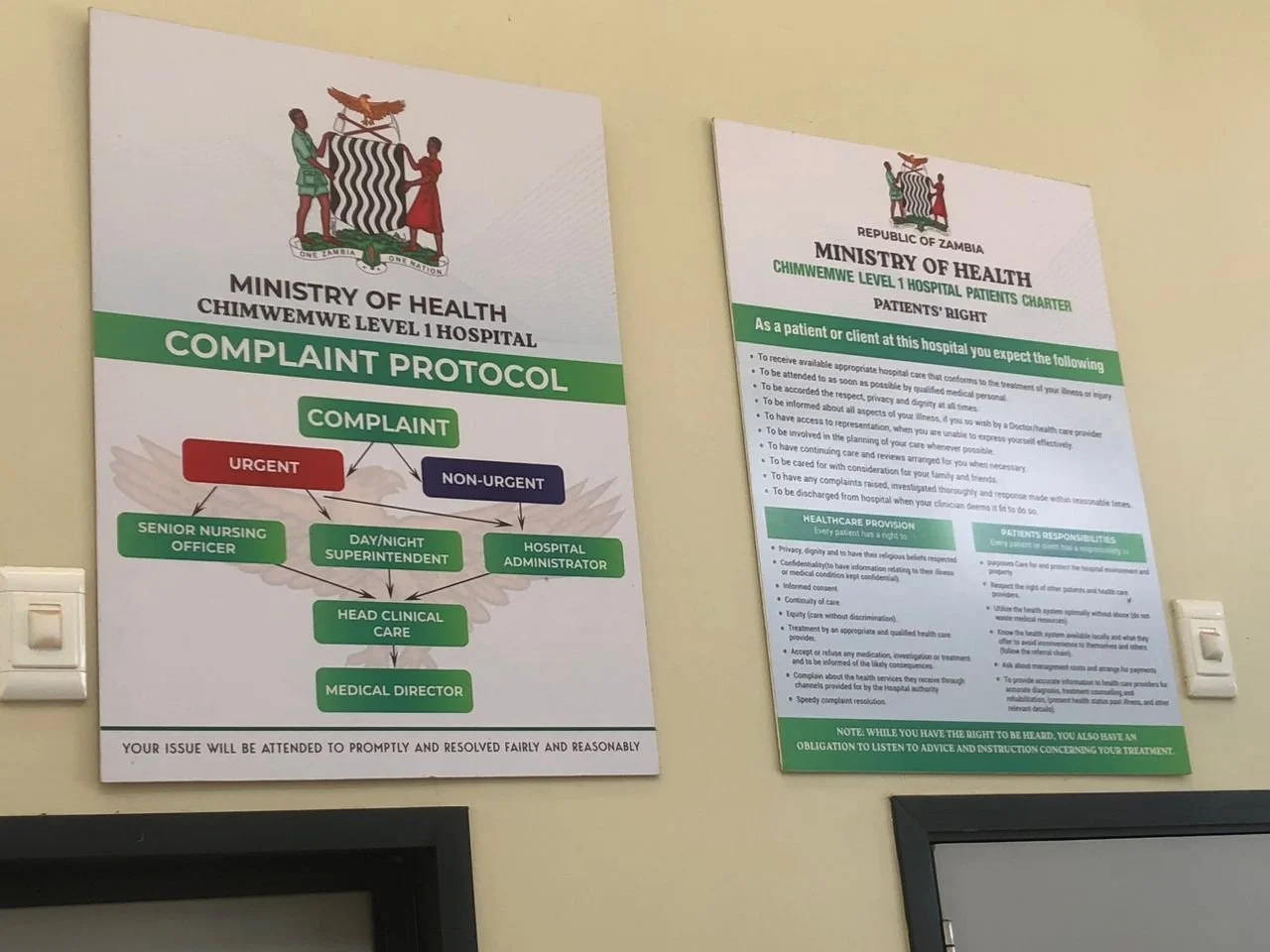
Service charters at Chimwemwe Level II Hospital in Kitwe, Copperbelt Province.
At Chimwemwe Level II Hospital in Kitwe, Copperbelt, an early monitoring visit found that essential medicines were available, but patients had no way of knowing what was in stock.
The hospital responded by introducing public medicine boards, known locally as “talking walls”, displaying:
● Daily updates on available medicines
● Service charters
● Clinic processes and key information
Feedback boxes were also installed at key points within the facility.
The result?
● Greater transparency about what the facility can provide
● Stronger trust between health workers and patients
● Faster identification and resolution of gaps in service
The Chimwemwe model is now being promoted more widely as a practical way to make access more transparent.
Minga Mission Hospital
At Minga Mission Hospital in Petauke, Eastern Province, a facility under the Churches Health Association of Zambia (CHAZ), similar reforms have transformed service delivery. For nearly two decades, up to 2021, hospital administrator Sr. Asperanza Masawe struggled with erratic operational grants and a shortage of medicine supplies. At one point, the facility went nearly eight months without funding, forcing her to procure food, cleaning supplies and medicines on credit.
“We used to go to the district to beg for medicines, as if we were not part of the health sector,” she recalls.

President Hakainde Hichilema interacts with a recovering little girl and her father at a health facility in Lusaka.
Since reforms under the current Government, Minga Mission Hospital has been receiving consistent deliveries of medicines directly from ZAMMSA.
“For the first time in many years, essential medicines started reaching us regularly. I have never seen anything like this during my time here,” Sr. Asperanza says. “Now, even ZAMMSA delivers medicines straight to our facility; we no longer have to chase supplies.”
For Minga’s patients and staff, the difference is felt every day – fewer stock-outs, less uncertainty, and more dignity in care.
Sustaining Progress: From Numbers to Lasting Change
Zambia’s journey shows the impact of deliberate, delivery-focused governance. Availability of essential medicines has increased from 35 percent in 2021 to over 80 percent by 2025, a significant achievement for the health system.
Challenges remain, including:
● Gaps in specialised medicines
● Infrastructure constraints, especially in remote areas
● Pressure from cross-border populations seeking care
However, the progress recorded at facilities such as Chimwemwe Level II Hospital and Minga Mission Hospital – and many others across the country – demonstrates that reforms are generating tangible benefits for patients.
The Presidential Delivery Unit, working with MoH, ZAMMSA and other partners, continues to:
● Track national performance
● Support problem-solving at all levels
● Ensure that stability in central warehouses translates into real access at the clinic door.
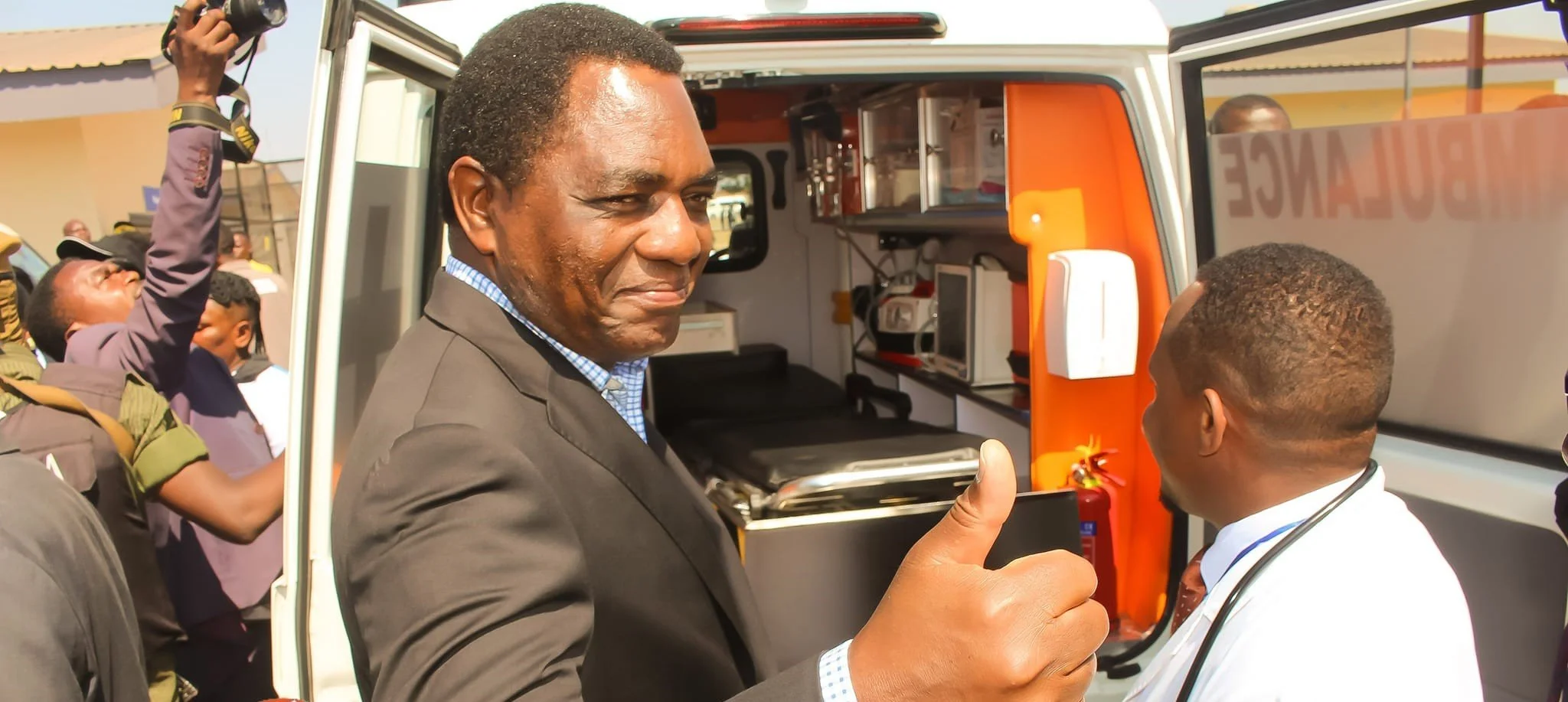
Mr President signals ‘correct’ at the official handover of Ambulances procured for constituencies using the increased CDF, 2025, in Lusaka.
As Zambia moves forward, the goal remains clear: Every medicine stocked should be accessible to every patient, at every facility, when they need it most.