
When President Hakainde Hichilema took office in August 2021, one of his flagship commitments was to ensure that economic progress reaches every corner of Zambia, not just the capital city and other major urban centres, but the remote communities in rural areas and townships. More than 53% citizens live in rural areas. The enhanced Constituency Development Fund (CDF) has become the primary vehicle for delivering on that promise.
Understanding the Constituency Development Fund
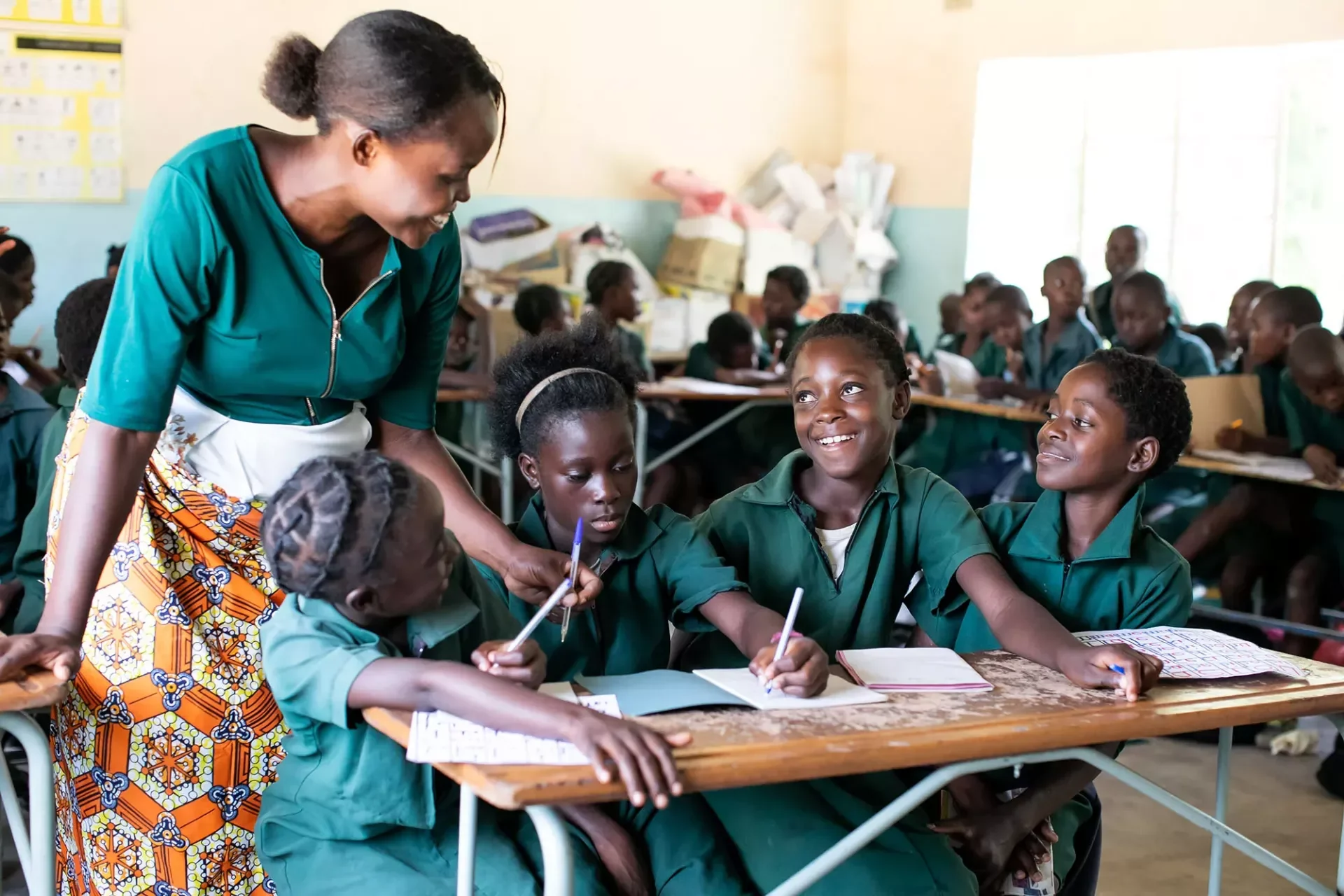
The CDF is a decentralised development financing mechanism that allocates resources directly to each of Zambia's 156 constituencies. Unlike traditional centralised budgeting, where ministries in Lusaka control spending priorities, the CDF empowers local communities to identify their most pressing needs and invest accordingly. Each constituency receives an annual allocation to address gaps in education, healthcare, water access, skills development, and economic empowerment.
The fund operates through constituency development committees that include local leaders, traditional authorities, and community representatives. The bottom-up approach ensures that investments reflect genuine local priorities rather than assumptions made in distant offices. Whether a constituency needs more classroom blocks to reduce overcrowding, boreholes to provide clean water, or business loans to support women entrepreneurs, the CDF framework enables responsive, community-led development.
Measurable Progress: The January 2022 - November 2025 Record
The numbers emerging from CDF implementation since President Hichilema took office tell a compelling story of transformation across Zambia's communities. Policy announcements are not abstract; they represent tangible improvements in people's daily lives.
The CDF represents a transformative shift in support as the Government has increased funding from K1.6 million per constituency in 2021 to K40 million in the 2026 National Budget. In total, K6.2 billion is being spent on delivering local solutions for local development. More than a funding mechanism, the CDF embodies decentralisation and community-driven development. The President has championed this approach because it delivers tangible, visible outcomes.
Economic Empowerment Reaching the Grassroots Level
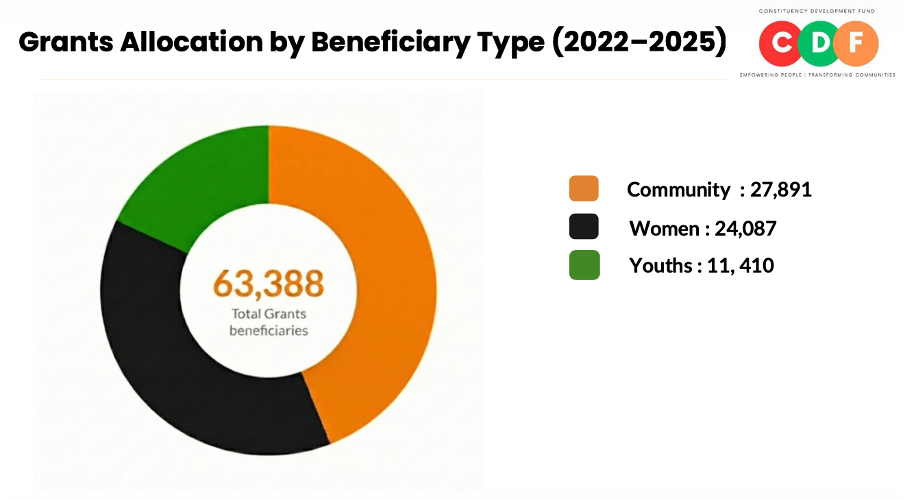
Access to capital remains one of the biggest barriers to economic participation for ordinary Zambians, particularly women and youths. The CDF has directly addressed the barriers through targeted grants and loans. Over the three years, more than 63,388 grant beneficiaries from community groups, women's cooperatives, and youth initiatives have been supported nationwide.
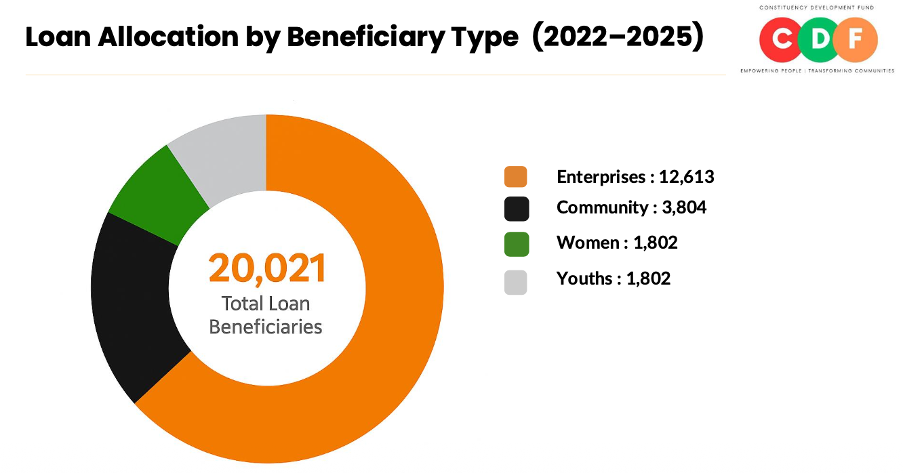
Beyond grants, the loan component has strengthened local enterprises, disbursing loans to 20,021 beneficiaries. Critically, loans reached women and young entrepreneurs who traditionally face the greatest barriers to formal financing. The businesses are spreading across the country: from the market vendors in Mansa, to carpentry workshops in Solwezi, to poultry farms in Petauke - all local enterprises creating local jobs.
Investing in Human Capital
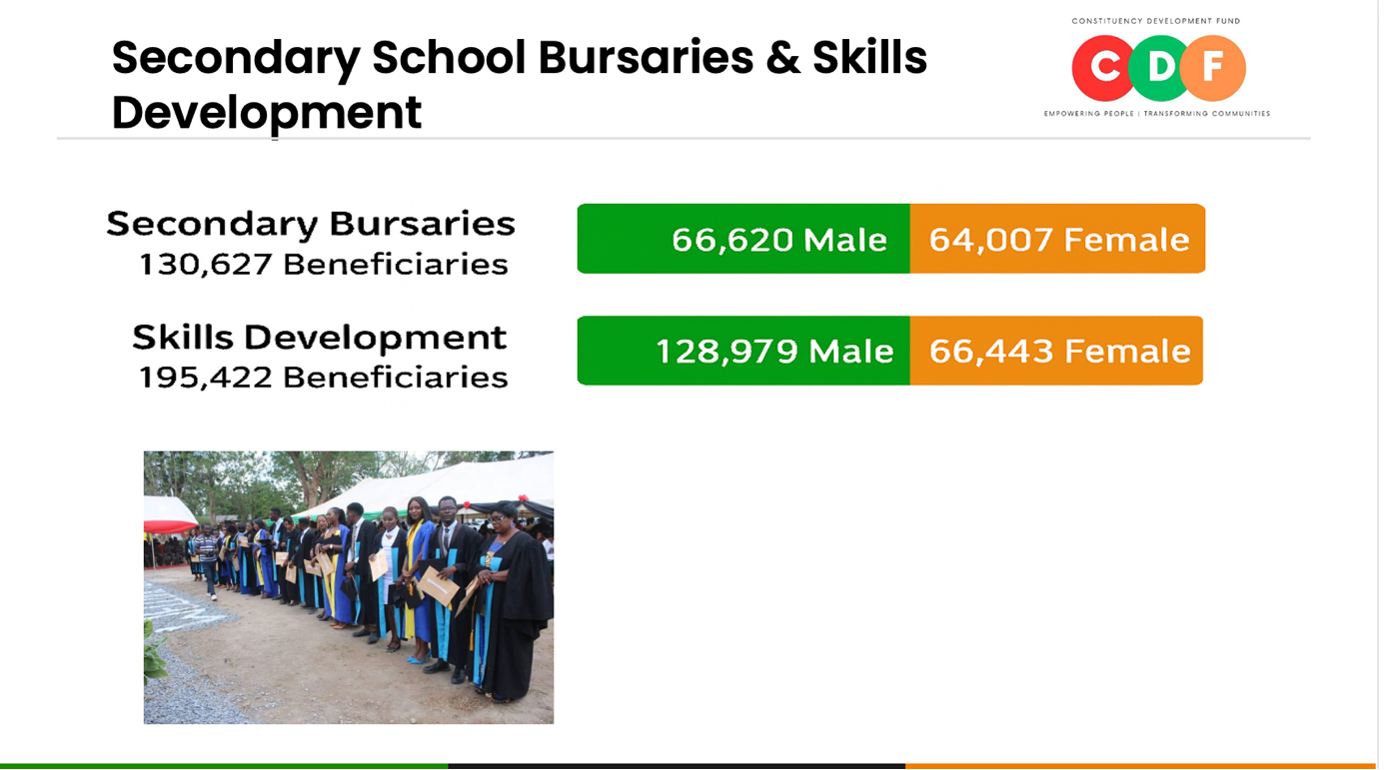
With one eye always on the future, CDF investments have also targeted education and skills development. A staggering 130,627 secondary school bursaries have been awarded as of November 2025, with near-perfect gender parity (66,620 male and 64,007 female) students. The bursaries represent life-changing opportunities, covering boarding school fees and essential requirements such as books.
Complementing formal education, 195,422 Zambians have benefited from skills development programmes funded through CDF as of November 2025. Whilst the gender balance here shows room for improvement (128,979 males to 66,443 females), the sheer scale represents a massive investment in vocational training, technical skills, and practical capabilities that immediately enhance employability.
Infrastructure: Building the Foundation for Development
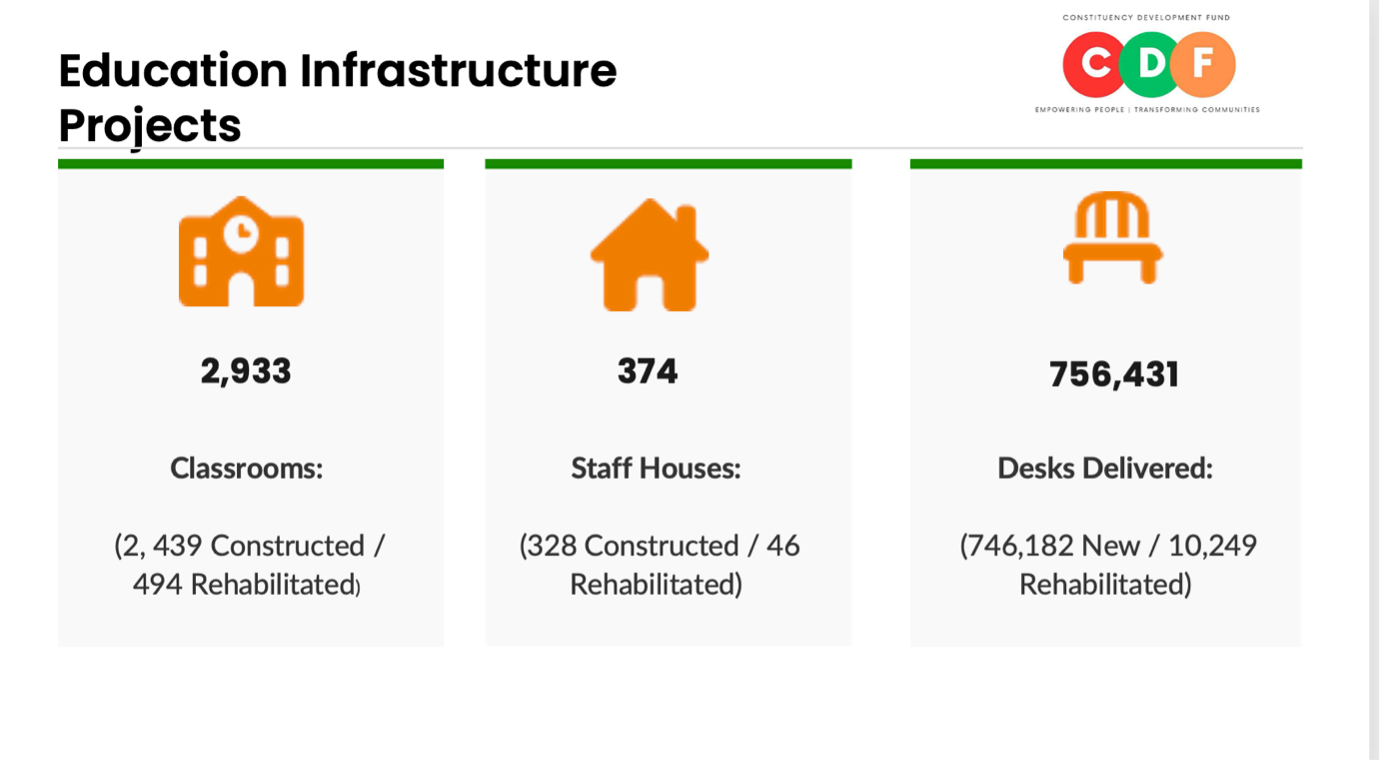
Education infrastructure has seen transformative investment. The construction of new classrooms and the rehabilitation of existing ones directly tackle overcrowding and create welcoming learning environments. Again, the projects are not just concentrated in urban areas; CDF ensures every constituency benefits. CDF has also helped to support the Free Education Policy, which has seen 130,627 learners going back to school.
Supporting teachers' welfare, 374 staff houses were delivered by November 2025 (328 newly constructed, 46 rehabilitated), addressing the chronic problem of attracting and retaining qualified teachers in rural postings.
Healthcare Closer to Communities
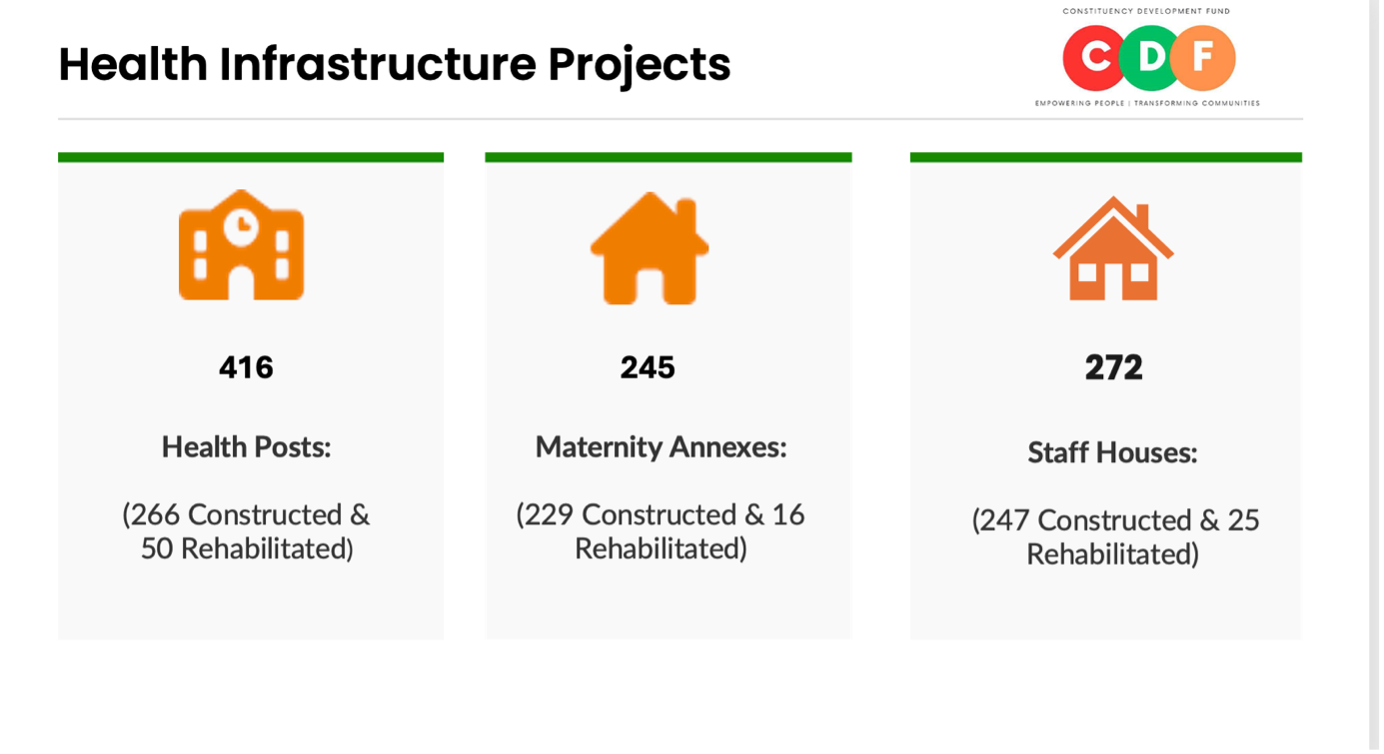
Healthcare infrastructure has expanded dramatically. The completion of new and rehabilitated health posts brings primary healthcare within reach of communities that previously travelled hours for basic medical attention. Maternity annexes have helped to reduce maternal mortality by bringing skilled delivery services closer to communities, cutting long travel distances that increase the risk of complications and death.
Like education, healthcare staff housing has been prioritised, with new and rehabilitated staff houses providing accommodation that helps retain clinical officers, nurses, and midwives in underserved areas.
Water and Sanitation: Foundational Development
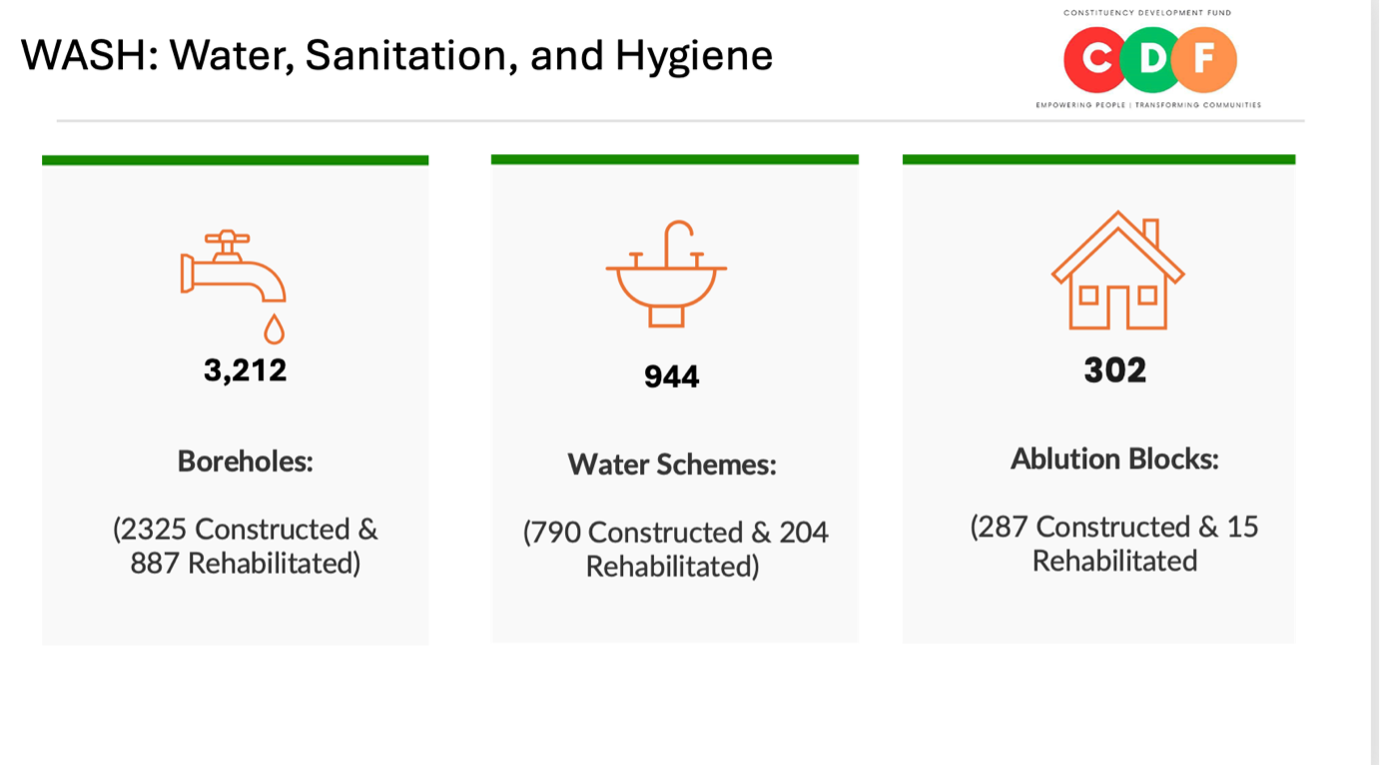
Access to clean water underpins every other development outcome: health, education attendance, women's economic participation, and agricultural productivity. The figures below represent perhaps the most direct improvement to daily life for rural Zambians.
Delivering Decentralised Development
What makes the figures significant is not just their scale but their distribution. Every constituency, from densely populated Mandevu to remote Shangombo, has seen investments addressing local priorities. The development recognises Zambia's diversity rather than imposing one-size-fits-all solutions from the centre.
The Presidential Delivery Unit, working with the Ministry of Local Government and Rural Development, is strengthening impact measurement, citizen engagement, and digital management systems to ensure transparency and accountability. Sustained success requires partnership. Local authorities to enhance oversight, civil society to support monitoring, communities must take ownership, and the private sector can co-finance youth skills training and infrastructure.
Zambia is building a governance model that strengthens service delivery constituency by constituency, making the CDF a powerful symbol of responsive and accountable governance.