
K413M CDF Drives Development Revolution in Muchinga
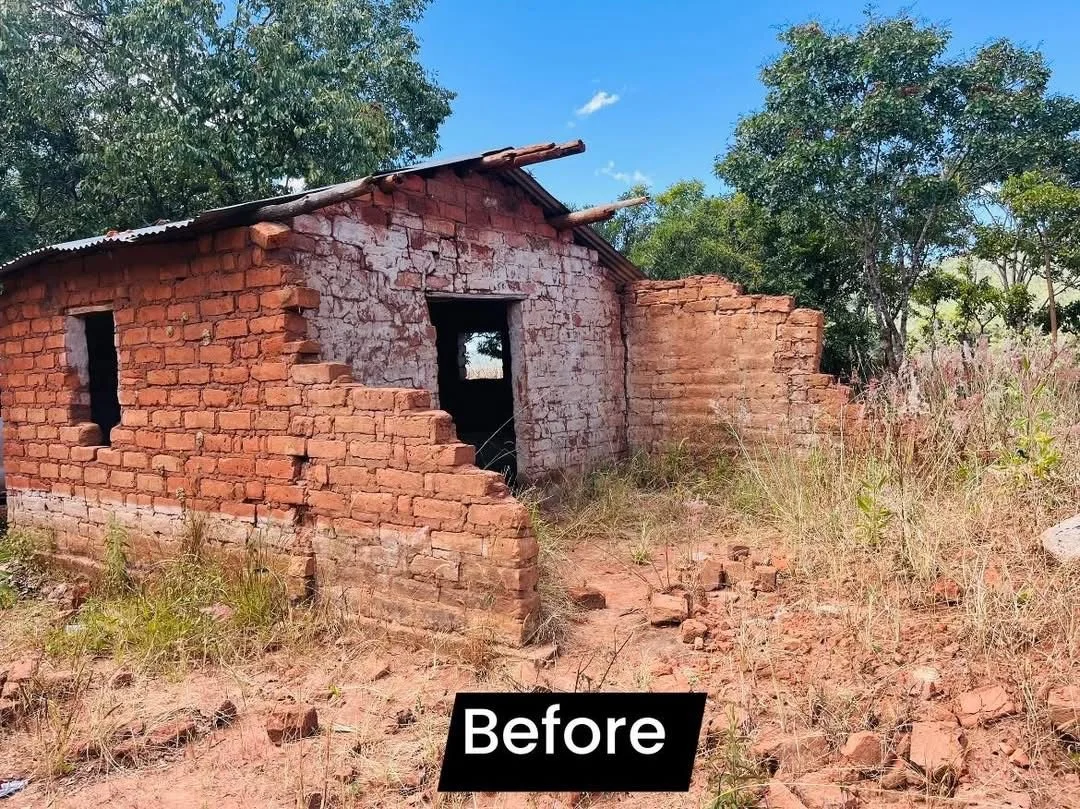
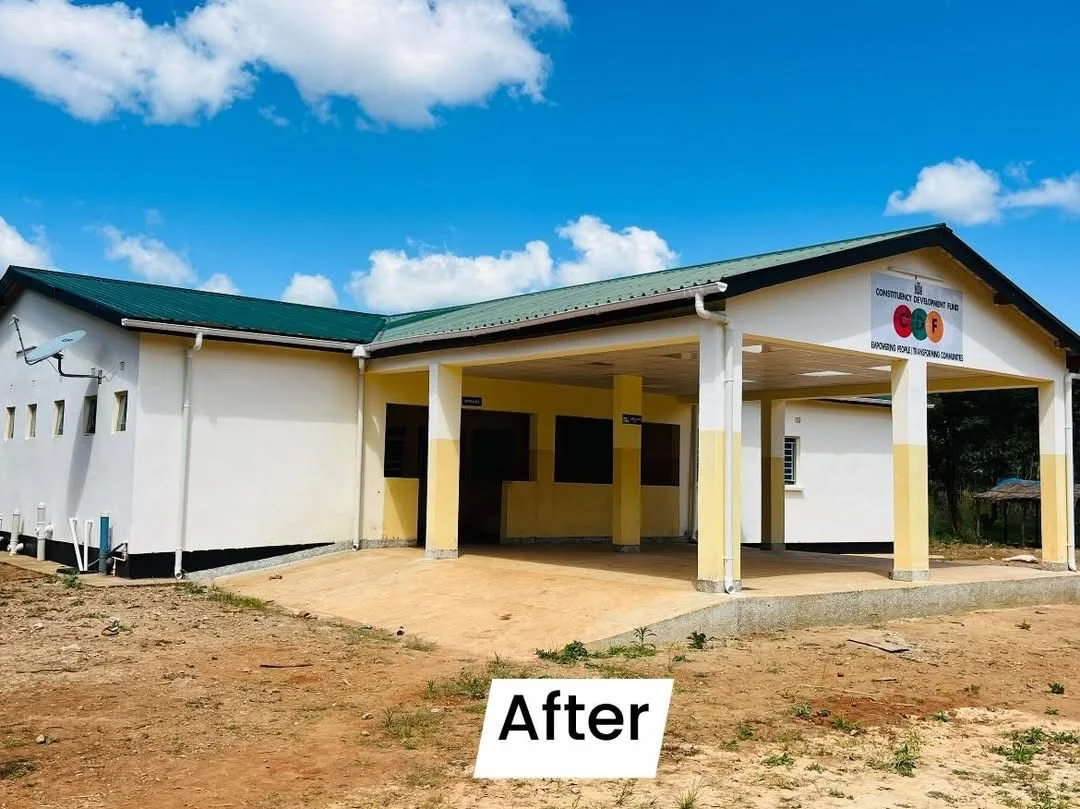
The Constituency Development Fund (CDF), one of the flagship decentralisation interventions under President Hakainde Hichilema's administration, is transforming communities across Muchinga Province through unprecedented grassroots investment in education, healthcare, water, roads, and youth empowerment.
CDF is a Government financing mechanism that channels development resources directly to constituencies, allowing communities to identify and prioritise the projects that address their most pressing needs. President Hichilema's administration significantly increased the fund to accelerate local development, improve service delivery, and ensure every constituency benefits from national resources.
Between 2022 and 2025, Muchinga Province recorded 696 CDF projects valued at more than K413 million, a clear demonstration of the Government's commitment to taking development closer to citizens.
The impact is visible. Education has emerged as the biggest beneficiary, accounting for 291 projects, more than 41 percent of all CDF projects in the province. These investments have delivered 352 classroom blocks comprising 456 classrooms, along with 33 staff houses, 34 ablution blocks, eight dormitories, two laboratories, eight administration blocks, and a library. More than 50,000 desks have been procured and distributed, improving the learning environment for thousands of pupils. The investments are not merely about infrastructure; they represent opportunity, dignity, and hope for the next generation.
Healthcare delivery has also improved significantly. CDF resources have funded 63 health posts, 24 maternity annexes, two hospitals, 15 mothers' shelters, and seven mortuaries. Nine ambulances have been acquired, improving emergency response, particularly in remote rural areas where access to healthcare was previously a major challenge.
Water security, a long-standing challenge in many communities, is also being addressed. The Government has drilled 78 boreholes, established 30 water schemes, and developed nine water reticulation systems across the province. The result is fewer women and children walking long distances to fetch water, and better health outcomes for communities.
Road connectivity has equally improved, with more than 320 kilometres of roads maintained, alongside the construction of bridges, culverts, and crossing points to facilitate movement and economic activity.
But perhaps the most transformative aspect of CDF is its investment in people. Through bursaries, 3,047 learners have benefited from secondary school support, while 9,793 young people have accessed skills development bursaries. The intervention ensures that poverty no longer automatically translates into lost educational opportunities.
The Government has also strengthened citizen empowerment by distributing K112.45 million in grants to 2,933 community groups involved in agriculture, livestock, manufacturing, trade, savings, and finance. These grants are creating businesses, generating household incomes, and stimulating local economic activity. Job creation has been another major milestone: between 2022 and 2025, CDF-supported projects created approximately 8,300 jobs across Muchinga Province.
Development happens when resources are decentralised and communities are empowered. Overall, the province has recorded a project completion rate of more than 82 percent, with 573 projects completed and 102 under implementation.
The long-term impact will be far-reaching. Better schools will produce more educated citizens. Expanded healthcare will improve life expectancy. Reliable water systems will enhance public health. Skills development and grants will create entrepreneurs and strengthen household resilience.
For years, many communities only heard promises during campaign seasons. Today, they are seeing classrooms, clinics, boreholes, and roads. That is the political significance of CDF. It has become more than a funding mechanism; it is a practical demonstration that Government can deliver visible development when resources are placed closer to the people.
Muchinga Province is proof that development delivers its greatest impact when it is brought closer to people. Through decentralisation, communities are not only witnessing progress but tangible improvements in their daily lives.