
How Schools Are Helping Zambia Build a Food-Secure Future
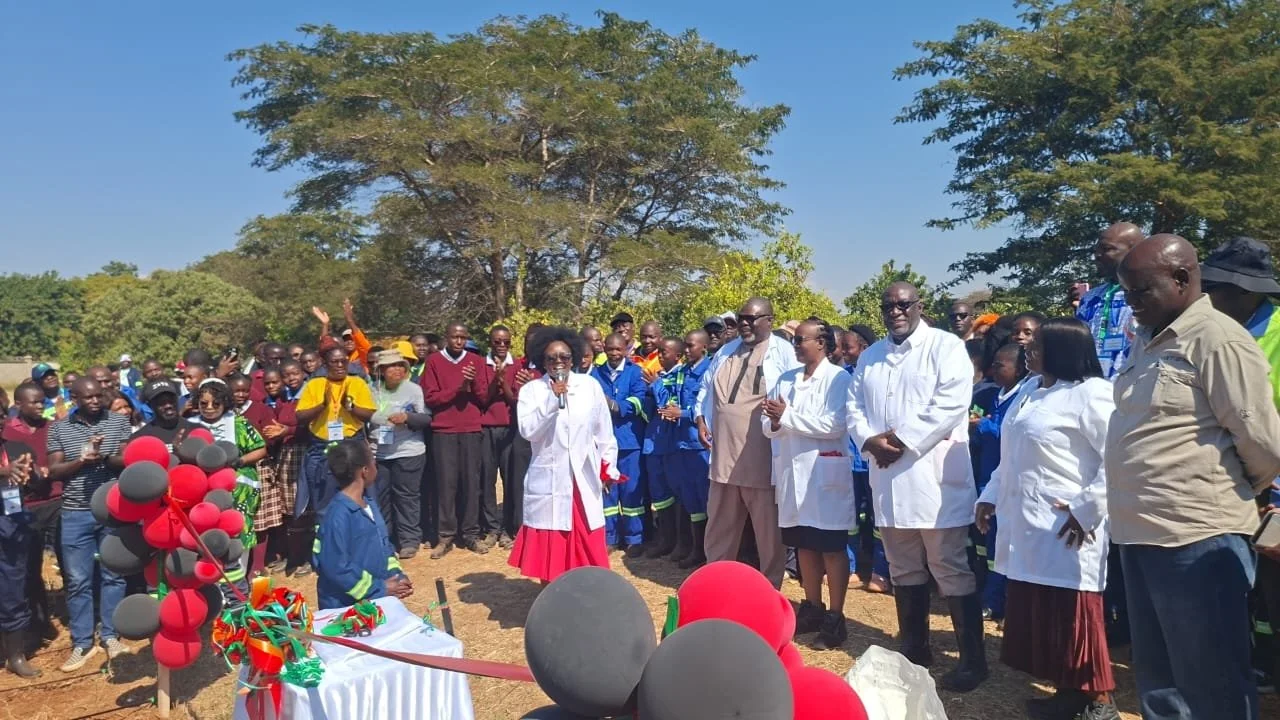
Schools are traditionally viewed as places of learning, where students gain knowledge through textbooks, lessons and examinations. Today, however, they are increasingly emerging as centres of innovation.
That is the vision behind the Presidential Irrigation Initiative for Schools, launched on 5 June 2026 by Deputy Secretary to the Cabinet Dr Oliver Kalabo on behalf of President Hakainde Hichilema. The initiative seeks to transform schools into productive centres where learners not only acquire knowledge but also develop practical skills in agriculture, irrigation, entrepreneurship and environmental stewardship.
It comes at a time when Zambia is experiencing a remarkable turnaround in agricultural production. The country has recorded a bumper maize harvest of 5.1 million metric tonnes during the 2025/26 farming season, building on the previous record of 3.66 million metric tonnes achieved in 2024/25. These achievements have strengthened national food security, improved farmer incomes and created opportunities for maize exports.
Yet the Government recognises that sustaining this progress requires more than good rainfall seasons.
The drought during the 2023/24 farming season served as a powerful reminder of the risks of relying heavily on rain-fed agriculture. Crop losses during that period highlighted the urgent need for climate-smart solutions that can ensure production regardless of weather conditions, making irrigation critical.
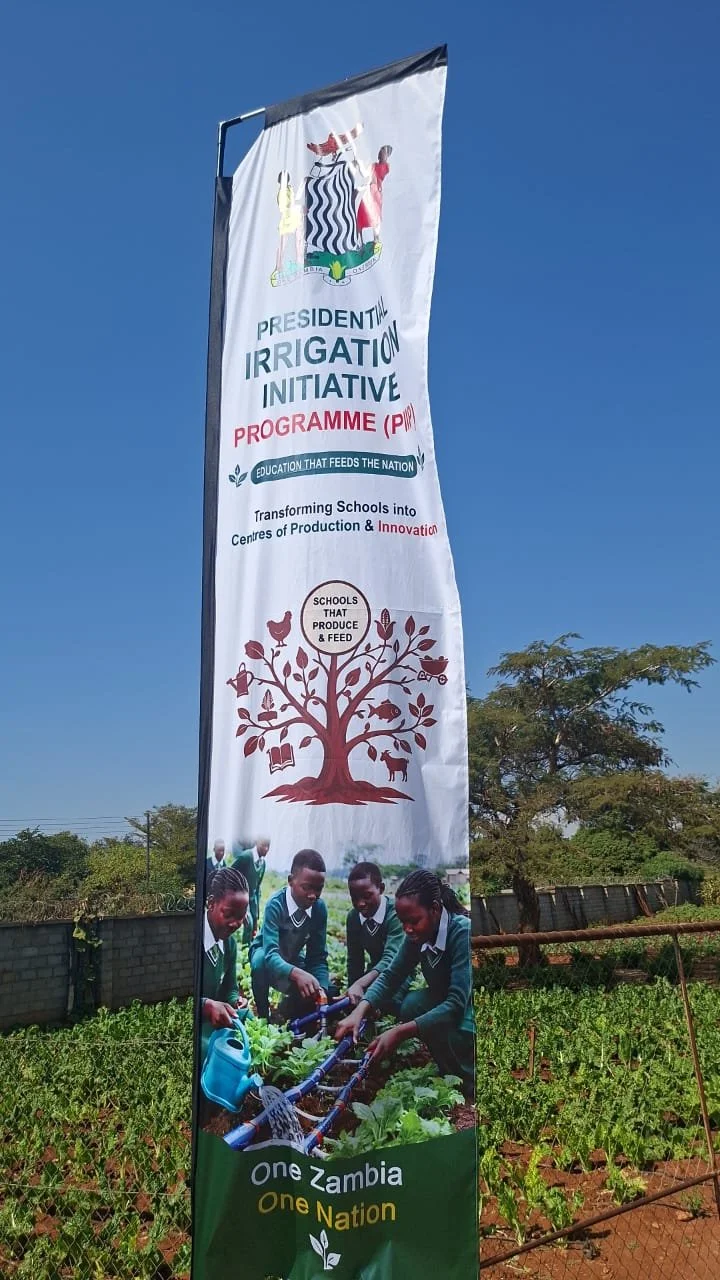
Under the broader Presidential Irrigation Initiative, the Government is working to expand irrigation infrastructure nationwide as part of a long-term strategy to increase agricultural productivity and strengthen resilience to climate change. The initiative forms part of Zambia's ambition to produce 10 million metric tonnes of maize, 3 million metric tonnes of soya and 1 million metric tonnes of wheat annually by 2031.
To achieve this target, irrigation is expected to contribute an additional three million metric tonnes of maize production. The Government is targeting the development of 500,000 hectares under irrigation by 2031, with 129,303 hectares already secured. These investments are laying the foundation for year-round agricultural production and reducing dependence on rainfall.
The Presidential Delivery Unit (PDU), which is coordinating the initiative, views irrigation as a strategic intervention that supports food security, climate resilience, household income growth and economic transformation. The programme is expected to significantly increase maize production through irrigation while helping Zambia remain on track towards its long-term agricultural goals.
What makes the schools component particularly exciting is its dual purpose.
Beyond growing food, schools participating in the initiative will become practical learning laboratories. Learners will gain hands-on experience in irrigation management, agricultural production, technology application, environmental conservation and entrepreneurship. These experiences support the Government's competence-based curriculum and complement efforts to expand STEM education nationwide.
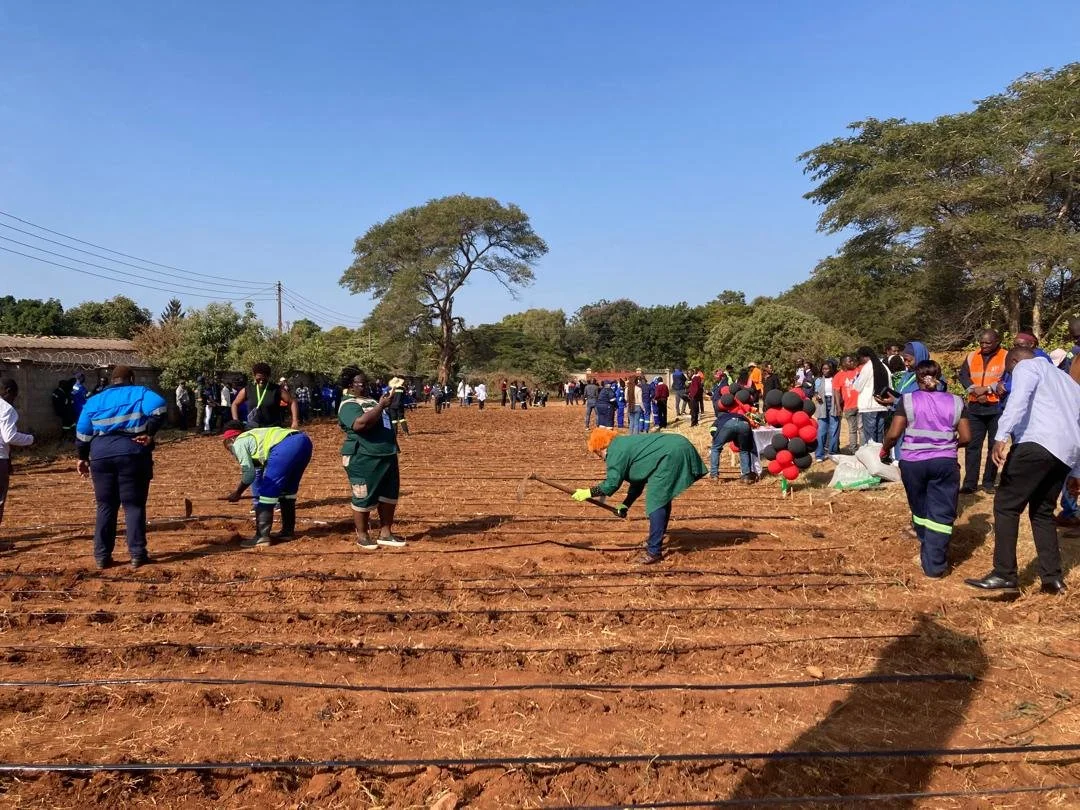
In a rapidly changing world, young people need more than theoretical knowledge. They need practical skills to contribute to national development and create opportunities for themselves and their communities. School-based irrigation projects provide exactly that opportunity.
The initiative is also expected to strengthen the sustainability of the School Feeding Programme. By producing some of their own food requirements, schools can supplement feeding programmes while improving nutrition outcomes for learners. At the same time, they can reduce operational costs and demonstrate sustainable agricultural practices within their communities.
Perhaps most importantly, the programme reflects a broader national shift in thinking. It demonstrates how education, agriculture and innovation can work together to address some of Zambia's most pressing development challenges.
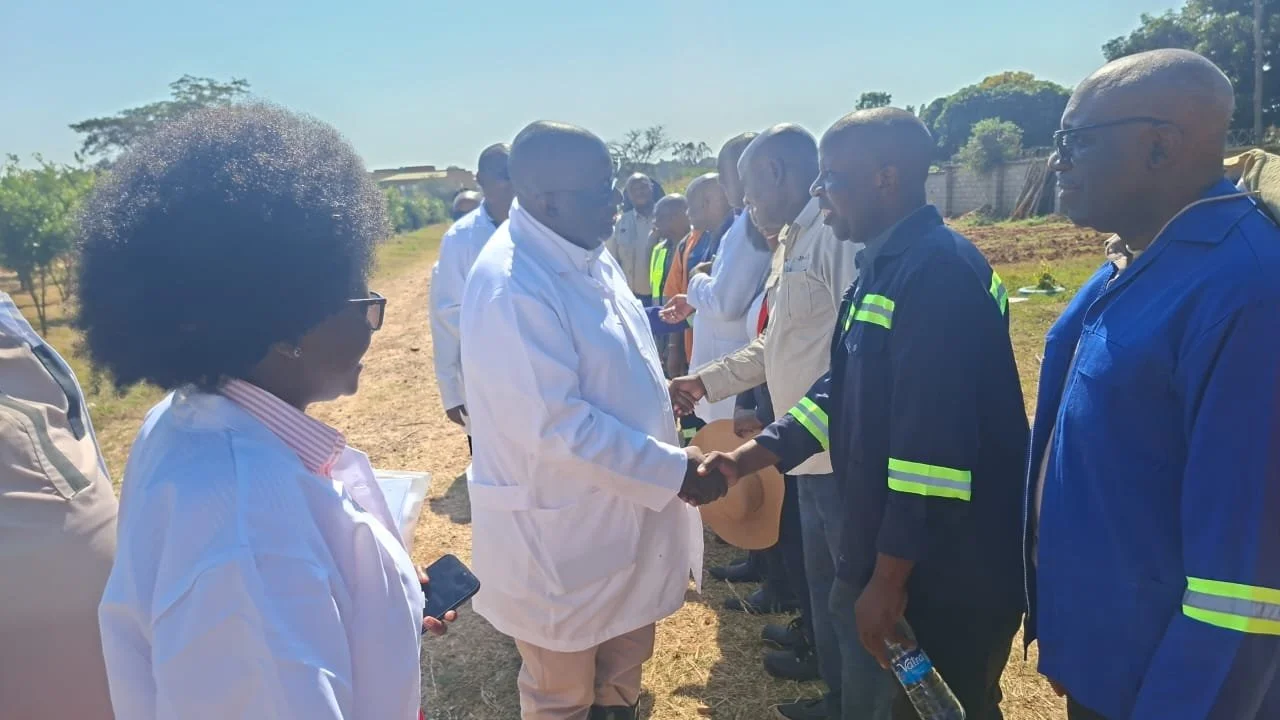
As Zambia moves towards its goal of producing 10 million metric tonnes of maize, 3 million metric tonnes of soya and 1 million metric tonnes of wheat annually by 2031, the Presidential Irrigation Initiative for Schools shows that achieving food security is not only about increasing production. It is also about investing in people, building resilience and creating opportunities for future generations.
Today's learners will become tomorrow's farmers, entrepreneurs, innovators and leaders. By equipping them with practical agricultural skills while strengthening food production in schools, the initiative is helping to cultivate not only crops, but also the future of Zambia.