
Strategic Investments Power Muchinga's Economic Rise
Muchinga Province is increasingly emerging as one of Zambia's key growth frontiers, driven by strategic Government investments in transport infrastructure, agriculture, education, industrialisation, and social protection. These interventions reflect President Hakainde Hichilema's broader economic agenda of building a connected, productive, and competitive economy while improving livelihoods. Unlike rhetoric and promises, the projects are measurable investments with visible outcomes.
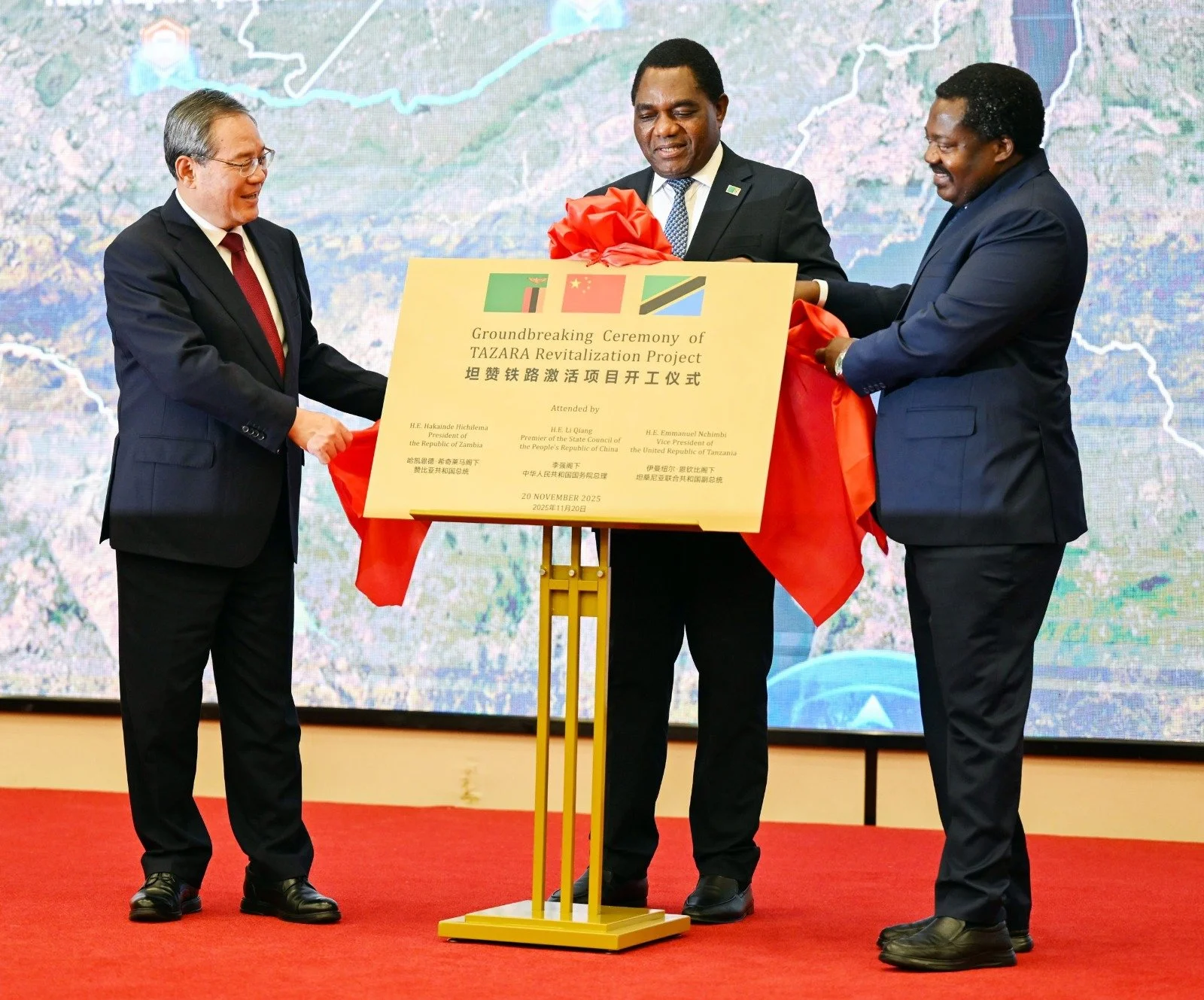
One of the most transformative projects is the rehabilitation of the TAZARA corridor, following the signing of a US$2 billion concession agreement. The intervention is expected to revitalise freight transportation, improve regional connectivity, and strengthen Zambia's role in regional trade. For Muchinga Province, strategically located along major transport corridors, the project represents a major economic opportunity.
Government has also completed Lots One and Two of the Isoka-Nakonde Road, one of Zambia's most critical trade corridors linking the country to Tanzania through Nakonde Border. The upgraded road is expected to reduce travel time, lower transport costs, and improve trade efficiency. Trade facilitation has been further improved through the completion of phase one of Nakonde One Stop Border Post, helping streamline border operations and ease the movement of goods.
Agriculture remains the backbone of Muchinga's economy and continues to receive major Government support. Currently, the province has 945 hectares under irrigation, supported by seven irrigation schemes and four mechanisation centres. These investments are helping farmers increase productivity, reduce vulnerability to climate shocks, and expand commercial agriculture.
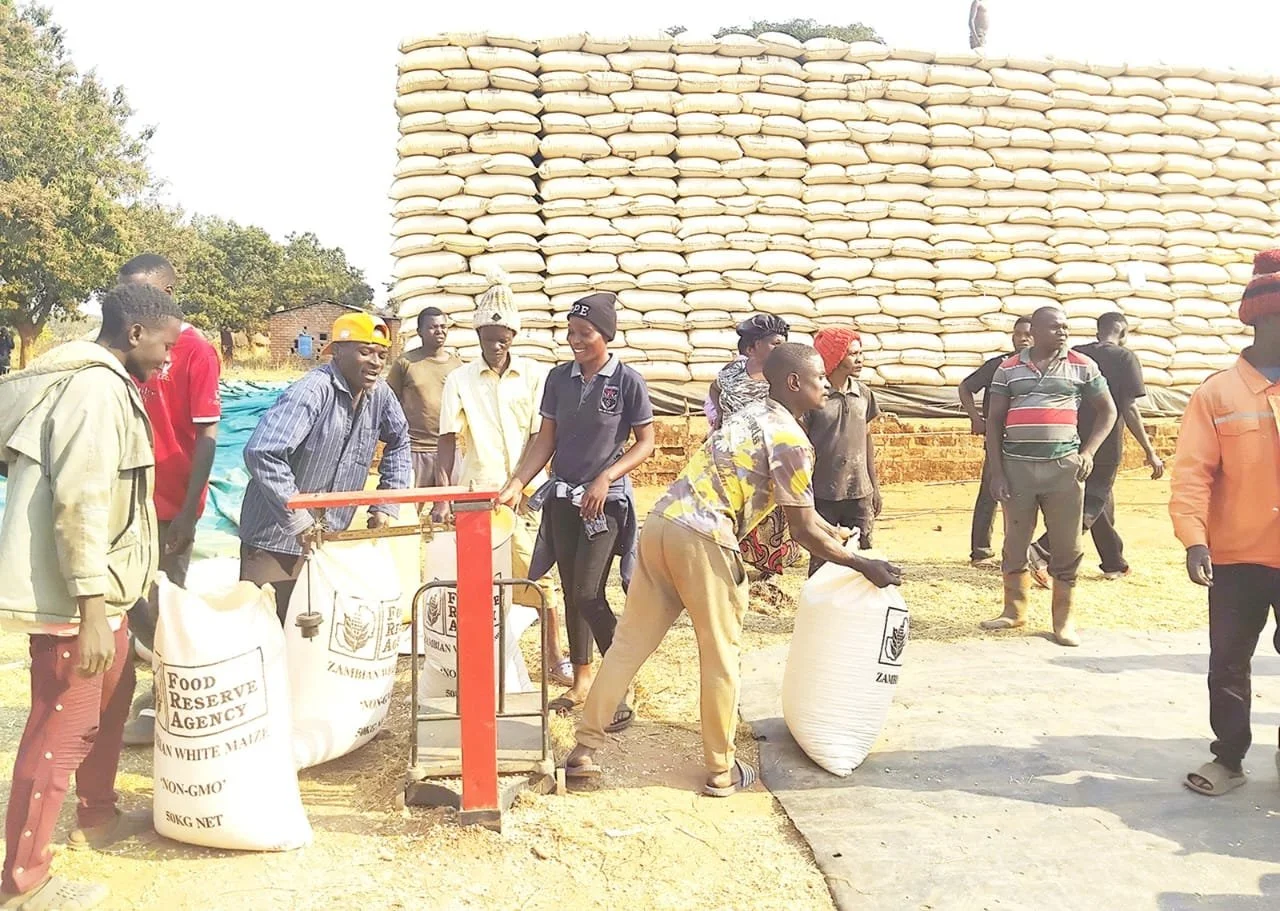
The results are encouraging. Farmers in Muchinga produced more than 318,000 metric tonnes of maize from approximately 103,000 hectares planted. Strong output was also recorded in rice, beans, groundnuts, millet, soybeans, and sweet potatoes. This growth strengthens household incomes and reinforces national food security.
Government is also laying the foundation for industrial growth. A 20-hectare industrial development site has been established in Chinsali, while multi-facility economic zones are being promoted in Mpika, Isoka, and Nakonde. These investments are expected to attract capital, stimulate manufacturing, and create jobs.
Education remains central to long-term transformation. Eight major secondary schools are under construction across the province, with an average completion rate of 85 percent, complete with laboratories, administration blocks, and staff houses. At primary level, 30 early childhood education hubs and satellite classroom projects are being implemented across six districts, with all projects fully funded and about 80 percent complete.
Government's development agenda also prioritises social protection. More than 110,000 beneficiaries in Muchinga are receiving support under the Social Cash Transfer programme. This assistance helps vulnerable households meet basic needs while participating more actively in local economic activity.
The long-term gains from these interventions are substantial. Improved roads and rail will strengthen trade. Better schools will produce skilled workers. Higher agricultural productivity will drive growth and food security. Industrialisation will diversify the economy and create sustainable employment. The multiplier effect of strategic public investment is evident in the results.
Muchinga is no longer merely a province with untapped potential; it is steadily becoming a hub of opportunity, production, and growth. As implementation continues, the province offers a clear message: sustained investment, policy consistency, and focused leadership can transform regional economies and improve lives for generations.