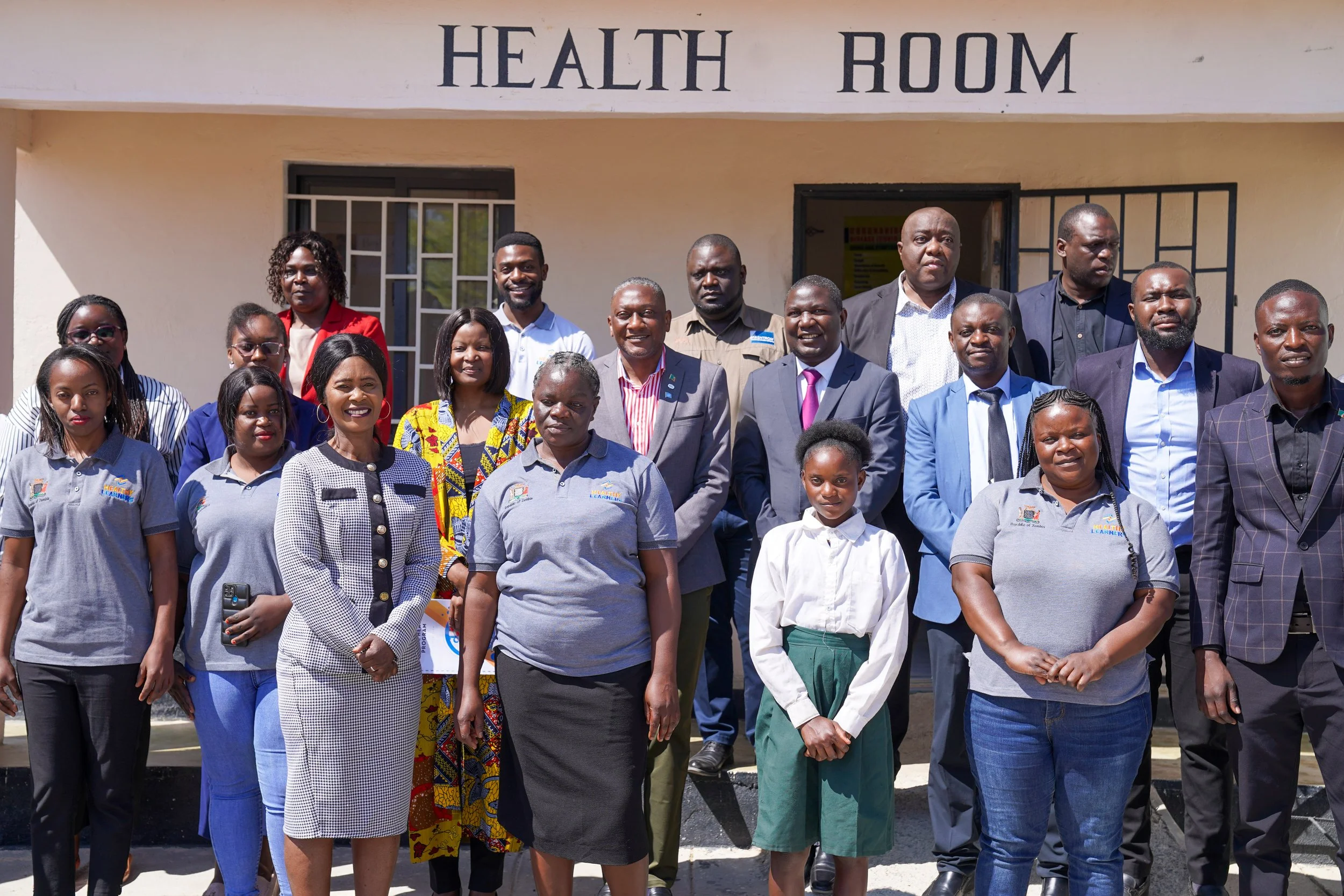
School Health Rooms: Changing Child Health
When the Zambian Government set out to improve health outcomes for school-aged children, it quickly became clear that the challenge was as much structural as it was clinical. Children were missing school in alarming numbers due to preventable illnesses, and families particularly in rural districts faced significant delays in accessing care. The solution, it turned out, would not come from building more hospitals. It would come from bringing healthcare directly into the classroom.
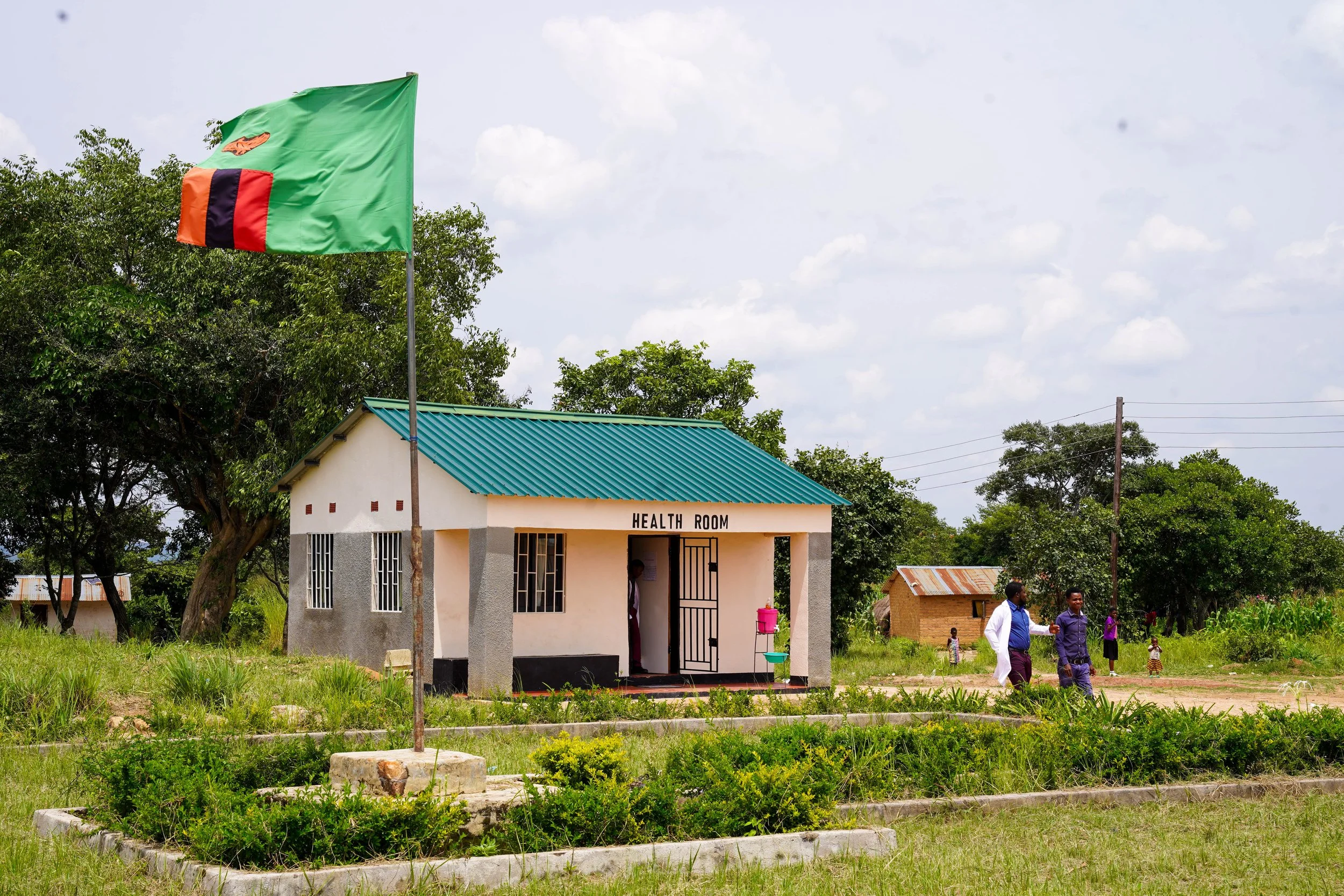
Supported by Healthy Learners, the Ministry of Health, and the Ministry of Education, Zambia has rolled out a nationwide initiative known as School Health Rooms. These are designated spaces within schools where trained educators deliver basic health services, health education, and early diagnosis and referral for children aged 6 to 17.
As of today, more than 880 School Health Rooms have been established across all 10 provinces, spanning 46 districts and benefiting over 1.8 million learners. The number is expected to reach 1,000 by the end of April 2026. Already, 742,656 learners have received treatment, and schools have conducted more than 450,000 health education sessions covering hygiene, nutrition, and disease prevention.
A Model Built on Collaboration
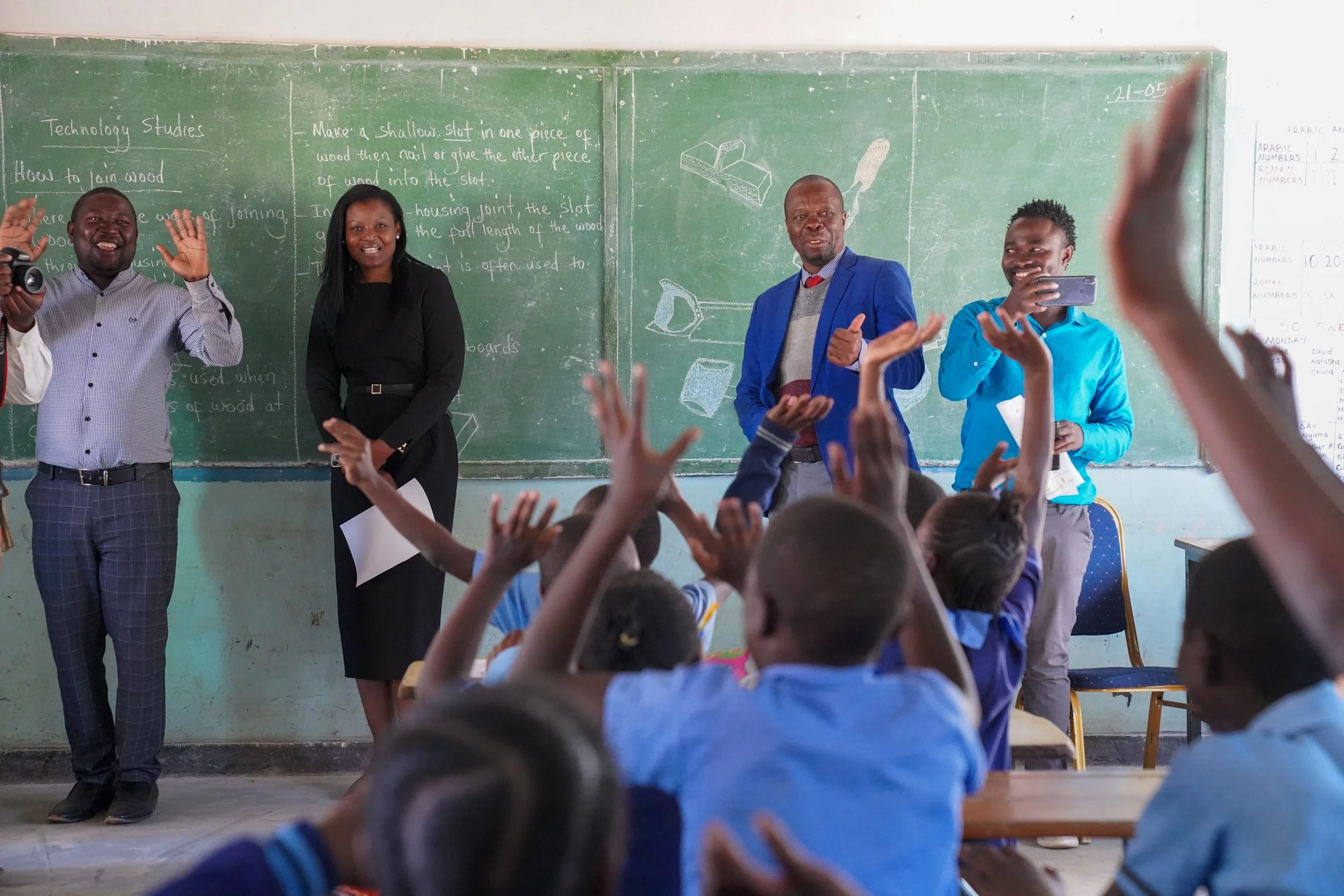
The programme's success is rooted in intentional collaboration between government ministries and a reliable on-the-ground partner. The Ministry of Health oversees clinical standards, while the Ministry of Education contributes its extensive school infrastructure and teaching workforce. Teachers are trained as School Health Teachers, enabling them to identify illnesses early, provide immediate support, and make timely referrals to health facilities.
Since the programme's launch in 2014, over 7,000 School Health Teachers have been trained across the country. The results are already speaking for themselves: schools are reporting a measurable decrease in absenteeism and an increase in student participation, with 90 percent of referred learners experiencing improved health outcomes after receiving care.
Technology as an Enabler
One of the programme's standout features is its use of technology to strengthen frontline care. A digital decision-support application called ThinkMD assists trained teachers in assessing symptoms and determining the appropriate next steps. Follow-up assessments have shown that suspected diagnoses generated through the system are 92 percent accurate when compared with confirmed diagnoses at health facilities, a significant boost to confidence, safety, and efficiency in school-based care.
Impact on the Ground
The numbers tell a compelling story. In districts such as Mansa, Kalulushi, and Kasama, the programme has facilitated extensive screening and treatment for malaria, with over 19,200 cases screened and more than 17,000 confirmed cases treated among school-age children since September 2023.
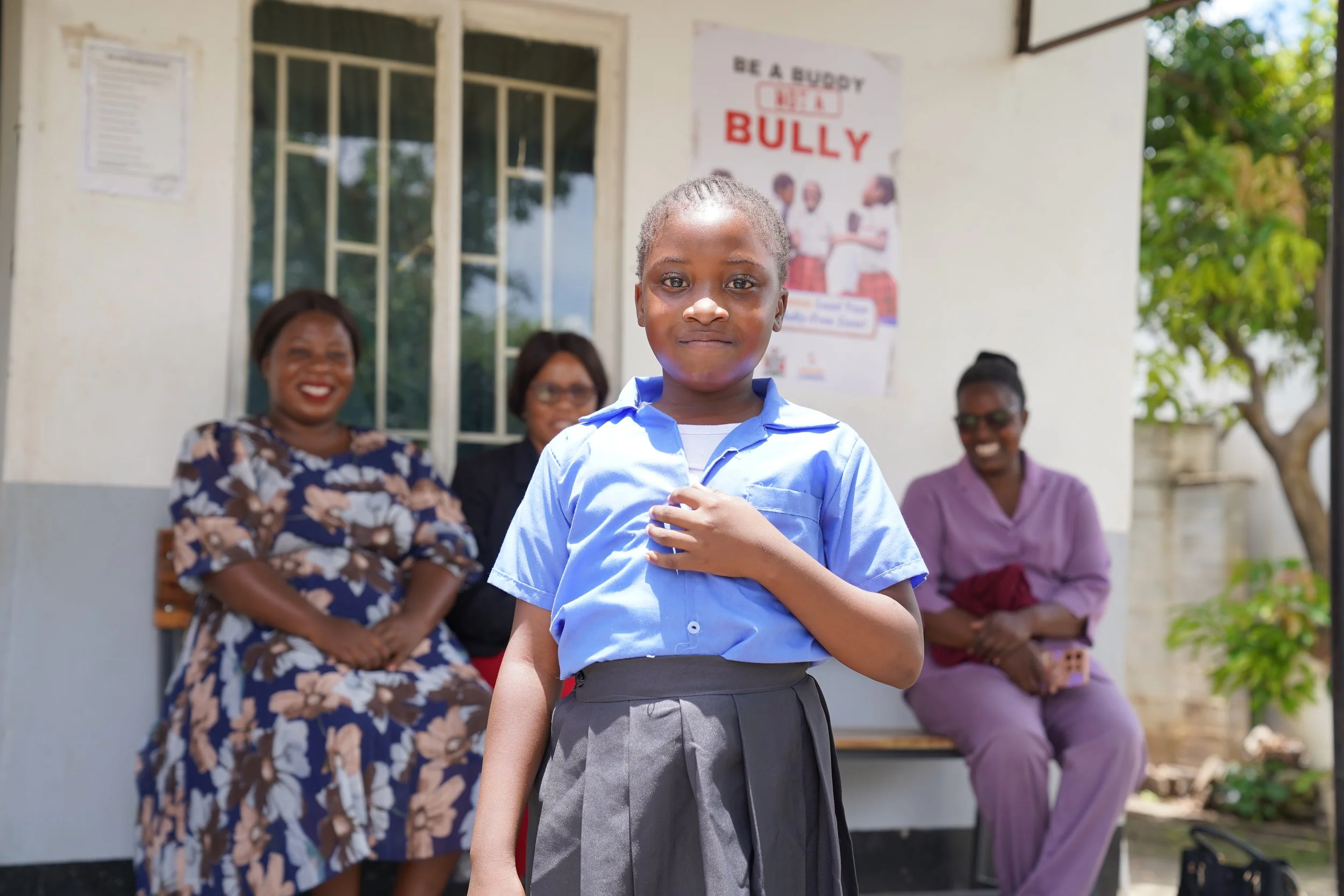
Beyond treatment, the programme is driving meaningful prevention gains. Deworming coverage has risen by 48 percent, morbidity among learners has decreased by 38 percent, and knowledge of key health topics has improved by 22 percent helping children stay healthy and focused in class.
A Presidential Commitment
In March 2025, President Hakainde Hichilema officially handed over the School Health Programme to the people of Zambia, a symbolic but significant milestone in the Government's commitment to integrating health and education services. On the same occasion, the President personally donated 595 blood pressure machines and 595 glucometers to support schools with health rooms across the country, reinforcing the programme's focus on prevention, early intervention, and learner well-being.
The Presidential Delivery Unit (PDU) has played a crucial coordinating role throughout, working alongside the Ministries of Health and Education and Healthy Learners to maintain a results-oriented implementation approach — tracking progress, addressing challenges, and ensuring that commitments translate into tangible services for children.
What Comes Next
The ambition behind the School Health Programme extends well beyond its current achievements. With continued government support, the programme is expected to reach 3 million children by 2028, expand to 70 districts, train over 15,000 School Health Teachers, and establish approximately 2,000 School Health Rooms nationwide. The scale-up reflects President Hichilema's broader vision of universal health coverage and equitable access to quality education regardless of location or socio-economic background.
As Zambia continues to invest in its human capital, the School Health Programme stands as a practical and replicable example of what happens when health and education are treated not as separate agendas, but as two halves of the same goal.