
Zambia Is Ready for Investment, Powered by Digital Transformation
Zambia's digital transformation is no longer a policy ambition — it is a delivery story. Expanded infrastructure, improved network quality, and a growing number of citizens coming online are evidence of what coordinated effort among government, regulators, and industry can achieve. The progress is measurable, and the opportunity it creates for investment and innovation is real.
Building the Foundation
At the heart of the transformation has been the rapid expansion and modernisation of telecommunications infrastructure. The number of communication towers grew from 3,568 in 2023 to 3,751 in 2025, reflecting a deliberate strategy to reach more communities across the country.
Critically, the focus has not only been on quantity but quality. Following a ministerial directive, all newly constructed towers are now equipped with 4G or higher, marking a decisive break from outdated legacy systems. A further 688 existing sites have been upgraded from 2G and 3G to 4G technology, significantly improving network speeds, reliability, and capacity. That foundation underpins the digital services that matter most — e-learning platforms, mobile financial services, and the broader digital economy.
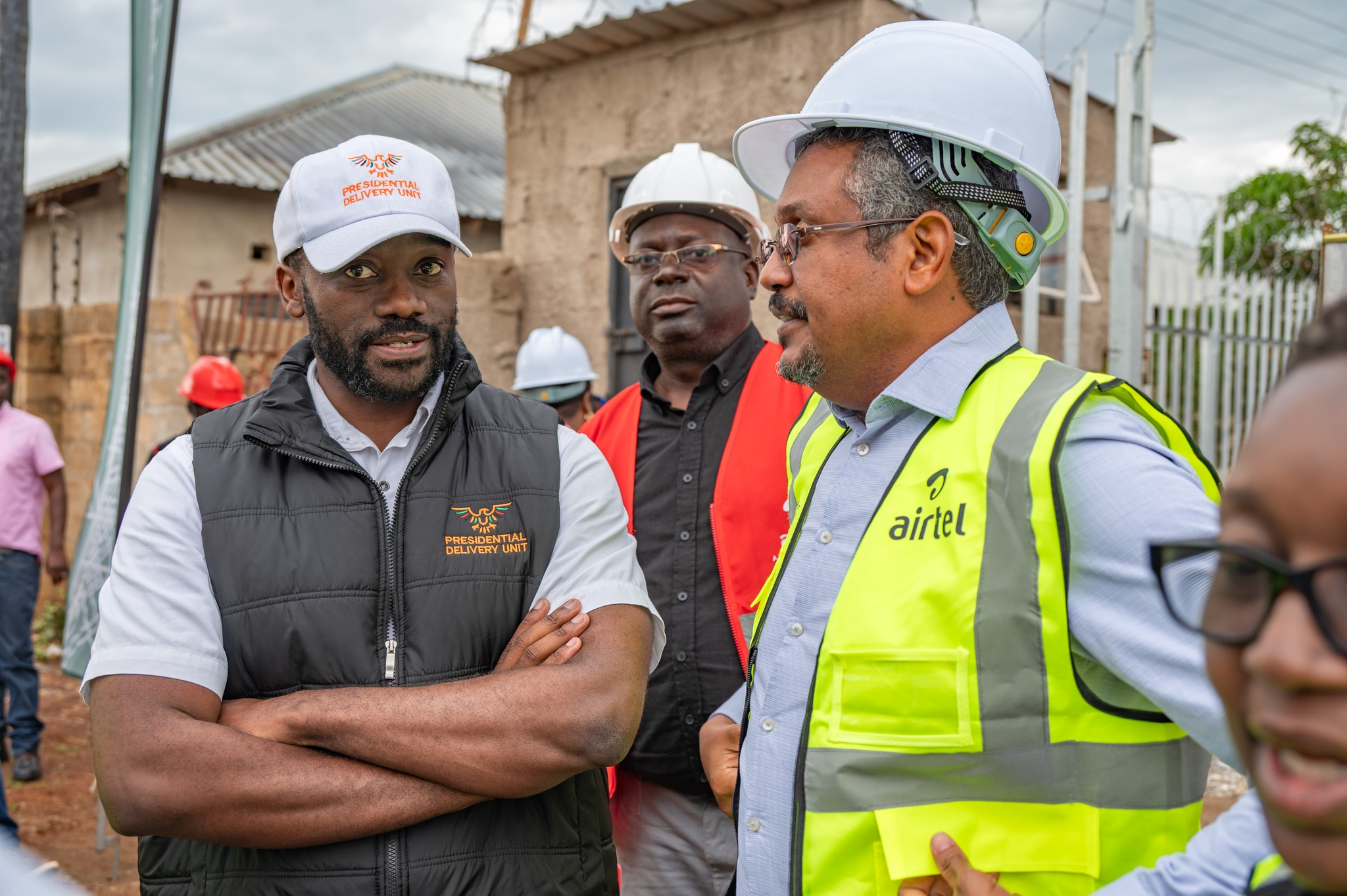
PDU Delivery Manager for Technology and Innovation, Mupota Muchelemba, (left) and Airtel Zambia Managing Director and CEO Hussam Baday visiting the site for a new communication tower in Nyumba Yanga, Lusaka, on December 16, 2025.
Reaching the Underserved
Targeted interventions through the Universal Access and Service Fund (UASF), a ZICTA-managed financing mechanism supporting ICT infrastructure in rural and underserved areas, have further extended the reach of connectivity. The UASF facilitated the construction of 57 towers in 2024 and 82 towers in 2025, helping to close long-standing coverage gaps and bring more Zambians into the digital ecosystem. National development, on this government's watch, is designed to be inclusive across all geographic regions — not just the urban centres.
The Numbers Tell the Story
The cumulative impact is visible in the national indicators. Average population coverage by Mobile Network Operators reached 95% between 2022 and 2025. Internet subscriptions rose from 10.4 million in 2021 to 14.7 million in 2025 — meaning more Zambians are not only within network range but are actively using digital services in their daily lives.
The economic contribution is equally telling. The ICT sector accounted for 1.8% of Zambia's 4% GDP growth in 2024, demonstrating that infrastructure investment is translating into tangible economic output.
The Opportunity for the Private Sector
The next phase of Zambia's digital transformation will depend on private sector participation, and the opportunities are significant. There is clear scope to innovate affordable data products, develop new financing models for internet-enabled devices, and create locally relevant digital content and services that stimulate demand. Partnerships to develop digital skills — bridging the gap between basic connectivity and meaningful use — represent another frontier, with technology companies, training institutions, and service providers all having a role to play.
Energy supply constraints that affect network reliability point to further investment opportunity. Solutions ranging from solar energy to hybrid power systems for telecommunications infrastructure offer both strong commercial returns and meaningful developmental impact.
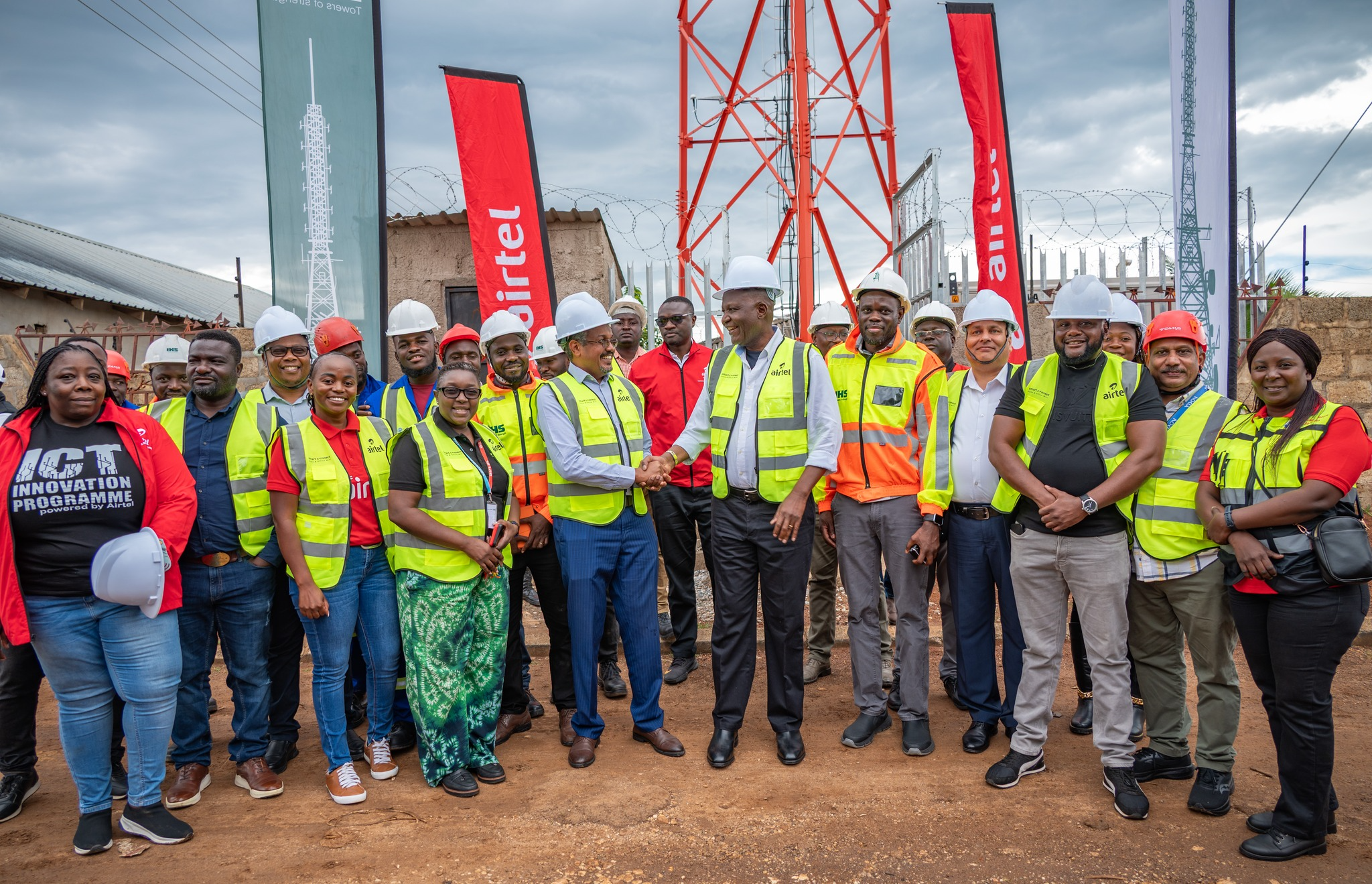
Minister of Technology and Science Felix Mutati shaking hands with Airtel Zambia Managing Director and CEO Hussam Baday during a visit to the site of a new communication tower in Nyumba Yanga, Lusaka, on December 16, 2025.
What Comes Next
The first phase of Zambia's digital transformation has done what it set out to do: expand and upgrade infrastructure at scale. The next phase is about deepening inclusion — ensuring that connectivity drives access, active usage, and ultimately, economic participation.
The data from the Ministry of Technology and Science and ZICTA tells a clear story. Zambia's digital economy is growing, its foundations are solid, and the conditions are right for the next wave of investment, innovation, and inclusive growth. For investors and partners looking for a market with momentum, the signal is unambiguous.